
Let”s talk a little about hard things: 10 facts about BDSM
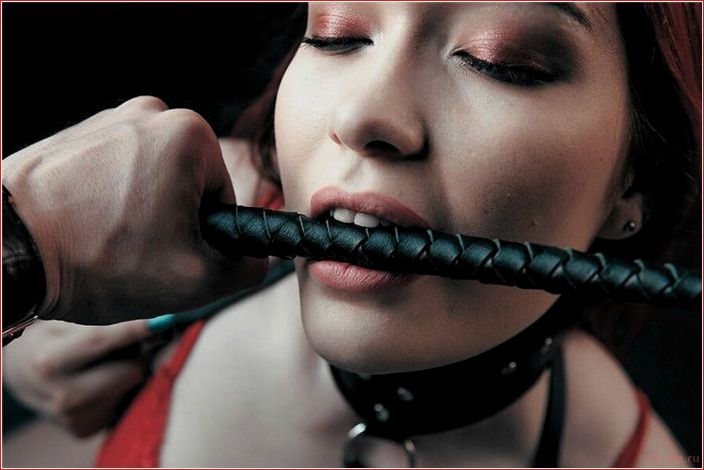
Believe it or not, just five years ago BDSM was a rare subculture, but now the BDSM element is becoming more and more profound (ahem!). infiltrated “normal” sex, known in BDSM culture as “vanilla.” Indeed, would anyone be surprised by a partner’s offer to slap you in the face or blindfold you? But initially these were BDSM practices.
Contents of the article:
If you want to know more about this culture, check out 10 facts about it.
10 facts about BDSM
- BDSM is not always about sex.
Yes, BDSM culture is definitely closely tied to sex and sexuality, but not all BDSM practices are tied to just that. As you may know, BDSM is an acronym that stands for Bondage, Discipline, Sadism and Masochism. And all these manifestations would be well understood without sexual overtones, although they remain intense sensory experiences.
So, for example, a BDSM practice may include massage, bondage sessions using bondage, spanking, punishment, etc., but sex is not included and the participant is subjected to power and submission dynamics, discipline, sadism or masochism.
There are even BDSM masters who engage in such practices for money to give you this experience (no, this is not prostitution).
- Why do you like BDSM?
It is difficult to give a definite answer to this question. Everything plays a role here: the first sexual and sensual experience, the history of family relationships, the first romantic relationships, communication, relationships with oneself, relationships with the body, self-esteem, the ability to receive and show love to others.

Strictly speaking, and very broadly generalizing, there are two points of view on the emergence of cravings for BDSM.
Firstly, it is the result of some kind of injury. The desire to receive moral or physical injury or to harm oneself is a priori wrong, because this should not happen to someone who has not suffered. BDSM is a way to cope with trauma, but it is usually unhealthy and causes more trauma.
The second point of view: it”s just a sexual preference, the same as “I like to kiss people on the neck.” It does not indicate past trauma.

- What does science say?
In 2008, one study was conducted in which psychologists diagnosed the levels of psychological comfort and calmness of people who practice BDSM and those who do not.

There was no difference in psychological comfort and stability across the two categories of respondents, and men who engaged in BDSM reported lower stress scores than those who did not.
Thus, the second point of view, that BDSM is simply a sexual preference and not evidence of trauma, is closer to the truth.
- Consent is very important in BDSM.
Those new to BDSM, especially those trying to play the role of submissive submissive (i. e. those who take a submissive position or prefer masochistic practices), are often misled into agreeing to one submissive behavior — that is, “I am a submissive after all!”, which means automatically agreeing to all other behaviors.

Read also: Rules of conduct BDSM or tough love
First of all, the rules of behavior in BDSM are not created to be broken. This is by no means an empty formality, but clearly defined boundaries.
This is not true. In BDSM, the principle of consent plays an important role. Ideally, the submissive person can always say that he wants to stop.
Unfortunately, in practice everything happens differently. For example, there is evidence of many girls who consented to BDSM practices, but ended up receiving something that was unacceptable to them. For example, a girl agrees to semiperimeter (complete restraint of a person when he cannot move), and when she is already tied up, the man begins to have group sex with his friend (in fact, gang rape, because the girl did not give her consent).
Ideally, however, the principle of consent should work without this BDSM, as long as everyone involved follows the rules.
- This is not limited to just the Word.
If you”re interested in the topic of BDSM, you”ve probably heard of the “safe word.” If someone says it (which, by the way, can be either under or over), everything stops.
Often this is some unusual word. This is because BDSM may involve “rape play” which involves saying “No, I can”t hear you, I don”t want to” but that is part of the game. Participants in the process are more likely to understand that something has gone wrong if they suddenly hear words that they did not hear in this situation.
The nature of pleasure is spanking. prosex
What is usually associated with BDSM? Leather outfits, latex, whips and gags. However, all this is completely optional. Often couples prefer sensual BDSM rather than paraphernalia. For example, when the lower partner carries out all the commands of the upper one.
- Soft manifestation.
It may surprise you, but knocking over pieces, dirty talk (when partners tell each other how they feel, what they want to do to the other, or more grossly — s-shaming each other), blinding, wiping eyes, things like manual cleaning. All these are manifestations of BDSM culture. However, they have become part of “vanilla” sex thanks to pornography, which has a huge influence on how people imagine their ideal sex life.
- Severe manifestations.
BDSM is extremely diverse. This includes everything from gentle submission, such as “be a good girl: lie down and spread your legs for Daddy,” to adapting the “but” part to very dangerous practices. For example, rope hanging, suffocation, electric shock, nipple pinching, genital pinching are also manifestations of BDSM. However, here is a very warm and sincere recommendation. Think five times before you try this. It can literally be dangerous to your life and health.
- Abnormal symptoms.
BDSM also includes games with social roles, such as Deaddie Kink and Pat-Trinity.
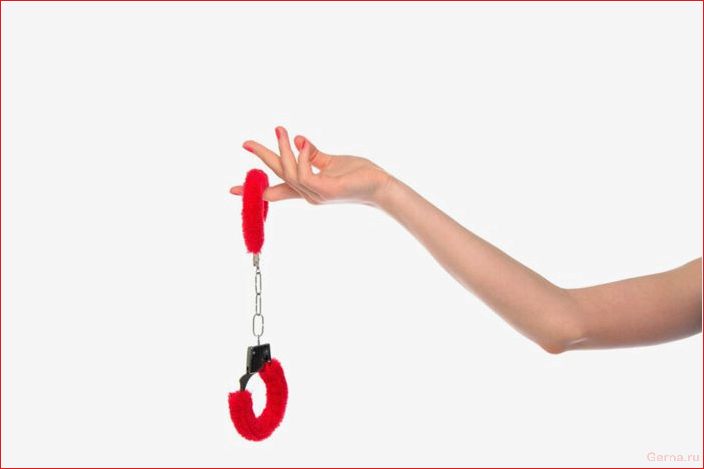
Papa Kink is when the top partner takes on the role of the parent and the bottom takes on the role of the child. It can look different: a “baby” is either a little girl or a baby (yes, seriously), and it can be very soft, tough and rough. The essence is always the same. There is a “father” (or mother) and a child.
PET TWI is when the subordinate partner draws the upper part of the animal, and the owner IT-IT. For example, the bottom one can draw a cat or a dog. He must walk on all fours AND, bang on the bowl, wear a collar, follow orders and make animal noises.
- Lots of research.
BDSM is becoming very popular, but remains a rather dangerous endeavor. The softest thing that can happen is that someone won”t like it very much, and it can become a very uncomfortable sexual experience. The heaviest. Death. Literally. For example, from suffocation. Moreover, not all people with BDSM are kind and reasonable, but those who are in relationships that involve transferring power to another person make their evil intentions even easier.
Therefore, it is important to study everything carefully before taking action. Learn how certain practices affect the body, what their effects are, and the basics of first aid. Then talk to your partner a lot to build communication, boundaries, and trust.


