
How to tie a partner to make it pleasant?

Do you want something new and a change from your usual poses? Are you not good enough anymore? Perhaps it”s time to study art around seven? Friends, how do you look at this?
Contents of the article:
What is it?
Shibari is the art of bondage. It originated in Japan, has survived to this day and has become a very popular entertainment among lovers of acute sensual and sexual experiments all over the world.
“Originally, shibari had a different, non-sexual purpose. People resorted to this art, firstly, for aesthetic purposes (intricate and beautiful patterns were created using ropes), and secondly, to help relax and build trust between two partners,” says sex expert Gabi Levy.
Similar scenes often appear in films and TV series. In one episode, the creators of the series decided to pay little attention to this sexual practice. However, according to experts, what we see on the screen is just the tip of the iceberg.
What”s special?
In general, bondage is, in some way, a restriction of a partner’s physical activity. For this purpose, handcuffs, ribbons, ties, scarves and other improvised means are used. Shibari uses only rope.
“In this art, it is important that it not only connects, but also establishes an intimate connection between partners,” explains sex educator Ryan Lucifer.

Yes, rope itself is often used in BDSM practices, but shibari is more than just a restraining force. The unique characteristics of shibari focus on visual aesthetics and emotional-psychological connections,” adds Rusifer.
Where to start?
“Since we are trying a new sexual practice, it is necessary to discuss all the rules and set boundaries in advance. “Anchoring includes specific boundaries and roles. Make sure your expectations are aligned, and if things don”t work out, decide how you”ll keep the conversation going,” says Ryan.
Read also: How to behave in BDSM games to become the ideal partner?

So, in your arsenal — whips, chains, leather belts, latex and a submissive desire to receive pleasure. But what to do with them? How to properly include them in.

It”s worth coming up with safe words (some couples use the words “pineapple” or “red”).
Also answer these questions to each other before you start practicing.
Once boundaries have been established, you can move on. Start with the simplest techniques and knots (it”s best to watch video tutorials) and always keep scissors handy so you can cut the rope if something goes wrong.
Why shibari?
According to the expert, all BDSM practices require a certain level of trust from participants, but Shibari offers partners a higher level of communication with each other. “The feeling of being connected gives you complete immunity from physical restraints and allows for emotional freedom,” says Levy.
“Dominance and submission force partners to twirl in a dance of trust and emotional connection.” “Many people experience a feeling of euphoria after the practice, a flood of tears, or a sense of a deeper connection with their partner,” says Lucifer.
Myths about shibari
- It”s painful.
This art is not intended to cause pain to a partner. Yes, slight pain may be felt during the practice, but it should not be unbearable. If bondage causes severe pain, your partner should stop with a safe word.
If done incorrectly, tying is truly dangerous. At a minimum, the rope can be pulled too tight, which can cut off circulation.
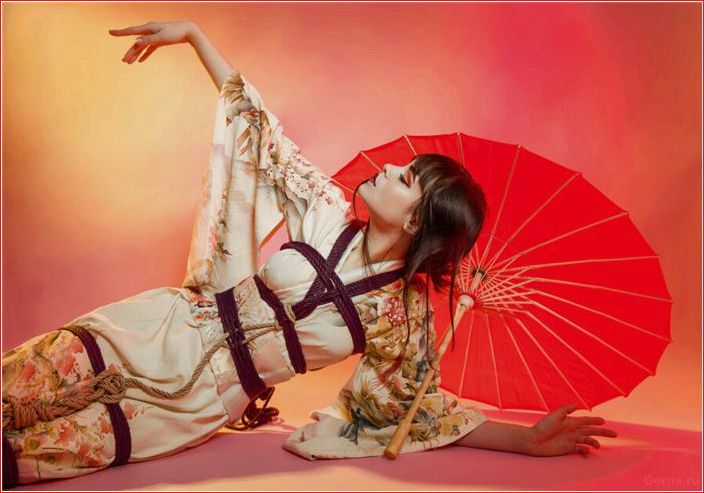
Therefore, it”s crucial to monitor your feelings, watch your partner”s reactions, and take your time. Always keep scissors handy (make sure they”re sharp enough to cut the rope).
The main rule of practice in BDSM communities is consent from both parties. All behavior by the dominant partner should be discussed beforehand. If you realize during the process that bondage causes you discomfort and doesn”t bring you pleasure, it may not be for you. And that”s okay, because it”s not a problem for you.


