
A complete guide to contraception: methods that will be useful to everyone
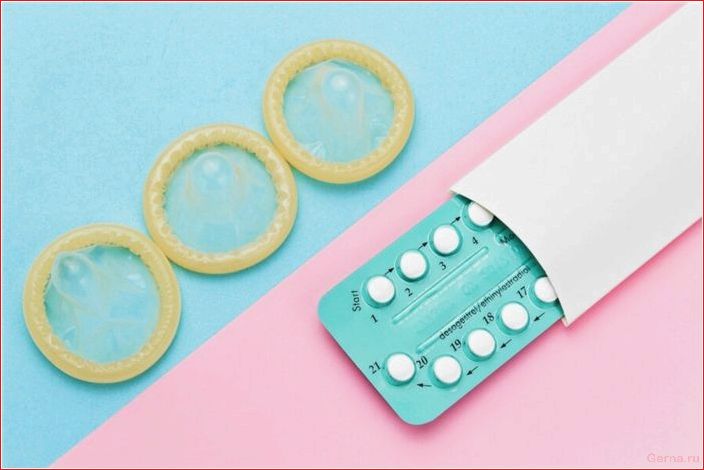
The British Family Planning Association warns. Up to 90% of sexually active women can become pregnant within the first 12 months if they do not use contraception. Conception can occur during unprotected sex — including having sex for the first time.
Contents of the article:
Today we will discuss the basic methods of contraception that will help avoid unwanted pregnancy.
Group of barrier methods
These methods prevent the sperm and egg from meeting. Firstly, the most common condoms fall into this category. They protect against sexually transmitted diseases and unwanted pregnancy.
By the way, condoms for both men and women are one of the most reliable means of protection against sexually transmitted diseases. According to the American Centers for Disease Control and Prevention, when used correctly, male condoms offer an 80% guarantee of protection against unwanted pregnancy and infections.
Use condoms correctly:
- Select the appropriate size.
- Place the condom on the head of your erect penis.
- Press the tip of the condom to remove any air.
- Pull the condom along the penis to avoid breaking it.
- Remove the condom and discard it. Don”t use a condom again.
- When using lubricants, make sure they are compatible with the type of condom you are using. For example, latex products are only compatible with water-based lubricants.
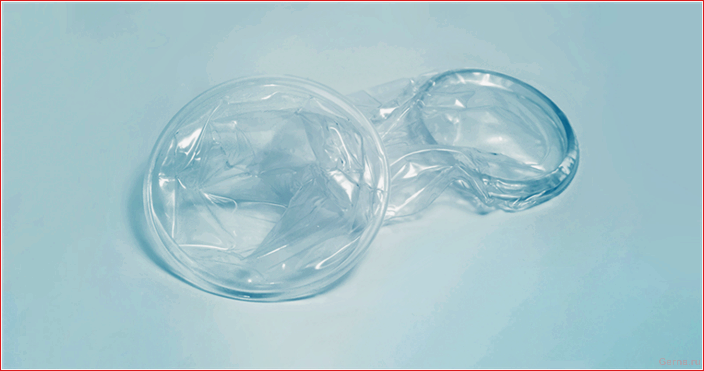
Another type of condom is female. They can be used instead of men (but not together with them). Statistics show that female condoms are about 79% effective against unwanted pregnancy.

Diaphragmatic (cervical) caps
The cap is placed in the vagina several hours before intended sexual intercourse. It can be removed within 24 hours. It is important to apply spermicide before use.
The efficiency of the membrane cap reaches 90%. However, VPD does not protect against sexually transmitted diseases.

Read also: Types of modern contraception

Humanity has been trying to influence the number of its offspring for more than 2000 years. The first contraceptive was extremely simple and easy to make.
Contraceptive sponge
It is usually made of polyurethane and contains sperm. The sponge is placed deep into the vagina, thereby blocking the entrance to the uterus.
When used independently, sponges are 76-88% effective. However, their use along with condoms further reduces the risk of unwanted pregnancy and sexually transmitted diseases.
Spermicidal suppositories
They contain chemicals that inactivate sperm. The suppositories can be purchased without a prescription and used in conjunction with other forms of barrier contraception (except sponges).
When used independently, the spermicide is inserted into the vagina at least 10 minutes before sexual intercourse. The duration of this action is usually no more than 60 minutes. The effectiveness against unwanted pregnancy is approximately 71%.

Features of contraception for women after 40 | Lyudmila Shupenyuk
Hormonal method
Pills that affect a woman’s hormonal levels prevent conception and suppress ovulation. Of course, this type of contraception can never protect against sexually transmitted diseases. Most hormonal contraceptives can only be purchased with a doctor”s prescription.
Hormone pills are effective in almost 95% of cases if you take them as prescribed by your doctor and in accordance with all his instructions. There are usually two types of tablets.
- Combination pills containing estrogen and progestin. They should be taken daily as directed.
- Mini-pills containing only progestin. They also need to be taken at the same time every day. These pills affect the menstrual cycle and delay it.
Contraceptive patches
Statistics show that birth control pills are 99% effective when used correctly. In practice, their effectiveness is usually close to 90%.
The patches are applied to the buttocks, abdomen or buttocks. They should be worn for a maximum of three weeks, then the patch is removed for one week to allow for menstruation.
Injections
One of the most popular contraceptive injections is called Depo-Poover. It is prescribed by a doctor once every 12 weeks. Studies show that when the drug is taken in a timely manner, its effectiveness reaches 90%. If a woman is planning to conceive a child, it may take up to 10 months for her to regain fertility.

Other types
Other contraceptive methods include intrauterine devices, the Novoling vaginal ring, progestin implants, natural family planning, and emergency contraception.
Before using any of the remedies listed in the article, you need to consult a specialist.


