
Why don”t men talk about their feelings so much? How does this affect them?

As boys are socialized into society, their ability to cope with emotions is systematically impaired from an early age. Why don”t men talk about their feelings? They are taught that certain aspects of their personality are unacceptable, taught not to cry, not to express in words what they feel. At school, they are shown that there are certain games they must play or activities they must participate in, and are rarely encouraged to talk about their feelings.
Contents of the article:
Television and advertising are a big part of the problem because they portray what a “real man” looks like. Men are bombarded with images and ideas of masculinity, muscle and bravery, and gradually, over time, come to believe that being a man requires certain standards.
This perception of masculinity can lead to a deep sense of shame that permeates all masculine cultures. The perceived definitions of what it means to be a man are not only outdated and ridiculous, but also harmful not only to people today, but also to those who see it as the only way to exist in the future. The idea that people should be strong, calm and capable is a myth.
Why do men talk so little about their feelings and emotions? Here are some common reasons why men find it difficult to talk about their problems:
- Men often blame themselves, which leads to feelings of deep shame due to mental health problems.
- Men are often ashamed to admit to others that they are suffering and to seek help, even if the problem is significant.
- Men often “put up with” relatively little difficulty. This means that they can become serious difficulties.
- Men often do not exhibit traditional symptoms of the disorder and instead “recover” by using drugs, alcohol, or becoming violent.
Men and suicide
Suicide rates among men and women have been steadily increasing over the past 30 years. In 1981, 62% of suicides were committed by men; by 2018, this figure had risen to 76%.
Why is the suicide rate among men so high? This was because they were less able to manage their emotions or felt embarrassed or vulnerable when asking for support, often believing they had a support figure or fearing that someone would discover their vulnerability.

Read also: Why doesn’t a man talk about his feelings — what is he hiding?
Not all men like to express their feelings verbally. For them, unlike women, actions are much more important than words. The main reason why men don”t.
Therefore, men often resist expressing their feelings, even when they feel bad, due to expectations of masculinity, i. e. the feeling that they must always be strong. If they don”t, they basically feel like failures.

Masculinity and feelings
Masculinity and what it means to be a man is instilled, nurtured and developed in the minds of people from childhood. Men confirm the stereotype of the self-sufficient, strong and capable male hero. Often the role of providing emotional support is dismissed because it has nothing to do with masculinity.

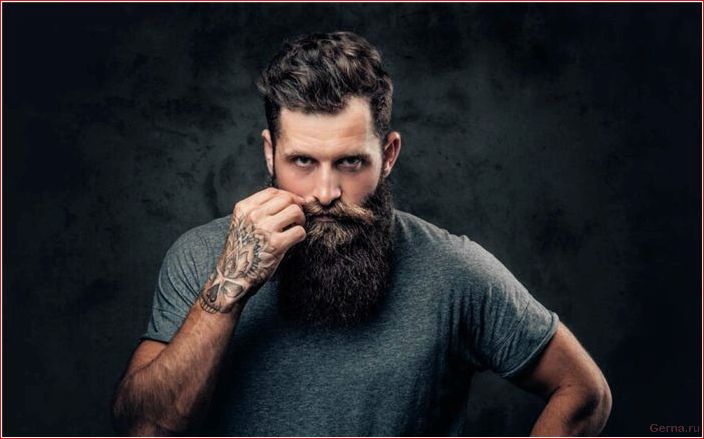
It is vital that men are able to talk to others about their mental health and emotional well-being. the difficulties they experience.
3 tips on how to talk to a man about relationships
How therapy can help
It would be wrong to say that men don”t seek help or that all men feel powerful, silenced and ignored. However, it is often only in moments of crisis that people ask for help and leave things until they can no longer control them.
At such times, many men begin to heal, caused by relationship difficulties, work stress or troubles. Given their past condition and the idea of ”being human”, acknowledging and accepting that they need support is a big step forward.
Therapy can give men the opportunity to be validated without being judged by men. They may be perceived as vulnerable, tense, anxious, or as strong, confident and capable. They are not told to “cheer up.”

Through therapy, men can learn to better understand themselves, their struggles and thoughts, explore the rich and varied nature of masculinity, and see that it is not the one-dimensional image often portrayed by the media. Therapy gives men the opportunity to explore their pains and struggles and ultimately become richer, better, and more understanding of what it means to be a man.
Debunking myths about mental health is important for society as a whole as it allows for more open and honest conversations and reduces stigma and discrimination. In reality, mental health operates on a scale and we all struggle at some point in time.
Gender is no differentiator when it comes to mental health issues, and being male does not matter if you are to feel able to discuss, think about or share your feelings. How to understand that men are hiding their feelings, read the article at the link.


