
Who is straight: the only true sexual orientation. Or not?

To understand who is straight, you need to understand what sexual orientation is in principle.
Sexual orientation
Sexuality is an important defining element of human personality. In addition, for reproduction, sexuality determines how we perceive ourselves and how our physical relationships with other people are formed. Sexual orientation is defined as emotional, romantic and sexual attraction to people of a certain gender (male or female).
Contents of the article:
- Sexual orientation
- When will we find out about our sexual orientation?
- Types of sexual orientation
- Why are some people homosexual or
- Hetero, homo, bi — sexual orientation
- Tell me how many brothers you have and I will tell you who you are
- Can sexual orientation change?
- Who is a straight guy?
- Straight and other orientations
Sexual orientation relates to the realm of human emotions and personality. This may, but does not always, manifest itself in clothing and behavior. A person may be attracted to people of the same or opposite sex, but not follow these trends. For example, a person who chooses to become monogamous with a partner of a particular sex may choose not to pursue closer relationships with members of the opposite sex.
When will we find out about our sexual orientation?
Most young people discover their sexual orientation in their teens or twenties, often without the need for sexual intimacy. For example, homosexuals become aware that their sexual thoughts and behavior are directed towards members of the same sex.
Understanding comes already in adolescence. However, you don”t have to be gay or bisexual to have fantasies or interests in people of the same sex and to make a conscious choice to follow those stimuli and inclinations.
Sexual orientation is a very important aspect of every person”s life. It can be the cause of sexually transmitted infections and the foundation on which relationships are built. However, beyond being a matter of personal choice, gender identity appears to be a matter of complex biological processes, both cognitive and environmental.

The choice of a specific sexual orientation begins already during perinatal development, that is, during the formation of the fetus. After the birth of a child, as a result of exposure to specific stimuli from the environment, the next stage of development of the young person’s future sexual orientation begins.
Most people mistakenly believe that it concerns only sexual issues, but maturity orientation affects behavior, feelings, fantasies, and even all life choices.


There is currently debate about a fourth sexual orientation distinction, which is asexuality. Characterized by a lack of sexual desire for both sexes. According to a UK survey, asexuality affects approximately 1% of the general population.

Types of sexual orientation
Relationships with other people are a biological need for every person. It satisfies the need for love and stability and gives a feeling of security. Relationships based on the wrong sexual orientation, both with a partner and corresponding sexual contacts, can also be a source of energy and satisfaction.
We can distinguish the main types of sexuality.
Heterosexuality is indeed the most common sexual orientation in the general population. It”s natural. A study conducted in Massachusetts between 2002 and 2006. They showed that up to 97. 1% of respondents identified themselves with this orientation.
Statistical studies carried out in other parts of the world in subsequent years showed very similar results. Moreover, this orientation is often called tradition. Heterosexual relationships are accepted in all religions and cultures. And who is heterosexual, read our article using the links.
Homosexuality — This term was first used by Carl Maria Kertveny in 1868 as the opposite of heterosexuality. For a long time, this orientation was considered “bad” and those who were in homosexual relationships were considered wrong. Legal homosexual relationships are still illegal in many parts of the world.

Bisexuality is a term coined in 1809 and originally applied only to plants. It was first used in the context of human sexual orientation in the late 20th century. Research has shown that bisexual people are more likely to experience suicidal ideation and mental health problems than other people.
Bisexual orientation is characterized by attraction to partners of different genders. In fact, in most cases, adults living in heterosexual relationships have relationships with both sexes on a daily basis. Bisexuality can manifest itself in both long-term and short-term relationships.
Asexuality is a form of sexuality characterized by a lack of sexual desire for either one gender or the other. Reasons for this include hormonal problems, a history of depression, sexual abuse and a stressful lifestyle.
Why are some people homosexual or bisexual?
Most scientists agree that sexual orientation (including homosexuality and bisexuality) is the result of a combination of factors. Environmental circumstances, emotional, hormonal and biological factors influence whether a person identifies as homosexual or bisexual. Therefore, there are many factors that determine whether a person exhibits homosexual or bisexual tendencies.
Homosexuality and bisexuality do not depend on how a child is raised by parents or has sexual experiences with a person of the opposite sex while growing up. Additionally, although sexual orientation is not considered a mental disorder or deviance, these individuals may face misperceptions in society due to prejudice.
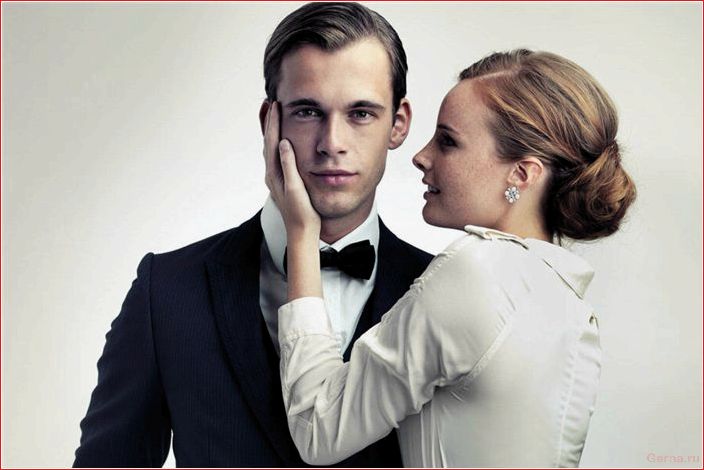
Read also: 15 surefire tips on how to become sexier in bed
Sexuality is an elusive feeling that comes from a partner when he is confident in his feminine power. This is a glance, a turn of the head, a facial expression.
Homosexuality and bisexuality are not diseases. The insistence that they need to be treated is a manifestation of ignorance, sometimes lack of tolerance and hostility associated with same-sex relationships.
Hetero, homo, bi — sexual orientation
All sexual orientation terms come from Greek.
Translated from Greek, “natural” means “different, dissimilar,” so it is clear that we are talking about a connection between two people of different sexes. Homo is literally “the same” and refers to the relationship between two people of the same sex. Bisexuality suggests, as the prefix “bi” implies, that a person can experience sexual attraction both to himself and to a person of the opposite sex.
Heterosexuality is, of course, the most traditional sexual orientation in most societies, since straight people make up the largest portion of the world”s population.
Homosexuality is not a disease or a way of life. Human orientation is rooted in general biology. However, researchers cannot give a clear answer to the question of where truth comes from. One theory states that homosexuality is caused by a specific genetic variant, while another links it to the number of siblings in a particular family. How much truth is there in these theories?
The relationship between genes and orientation has led researchers at North Shore University in Illinois to look for a connection between the two. Scientists have identified a genetic variant that is more common in homosexual men than heterosexual men. The results of a study of DNA samples taken from 1, 231 heterosexual men and 1, 077 homosexual men show that certain genes may determine sexual orientation.

Researchers have identified two genes: SLITRK6 on chromosome 13 and TSHR on chromosome 14. The second of these genes is primarily associated with thyroid function. It acts on the brain through thyroid-stimulating proteins.
The results of these studies have not received much recognition from the scientific community. Thousands of samples were examined to look for genes that indicate that someone is heterosexual and someone is homosexual. However, no significant correlations could be found.
However, this does not change the fact that genes may be the answer to the question of where sexual orientation comes from. These studies are conducted on identical twins. If one of the twins is homosexual, the likelihood that the other is also homosexual is much higher than in the case of fraternal twins.
However, this probability is not 100%. In other words, there are other factors besides genes. Several hypotheses suggest that the environment in which a person is raised and the way he is raised may influence orientation. The studies compared brain images. The results showed that the brains of homosexuals are different from the brains of heterosexuals. However, it is unknown whether such changes are an effect or a cause.
Keep in mind that finding answers to why people are heterosexual or homosexual is not easy. It includes many factors. Modern knowledge does not allow us to say that one of them is more certain than the other. Of course, research based on comparison of gene sequences is a new and very interesting direction, but it is too early to accept it as a solution to the problem.
Gay or straight?

Tell me how many brothers you have and I will tell you who you are
Even more interesting is a study conducted by scientists from Canada. Scientists may have been able to explain the relationship between the number of older brothers and the incidence of homosexual orientation in younger brothers (the so-called birth order effect of siblings). This effect means that the more older siblings you have, the more likely you are to be homosexual.
The birth order effect of siblings may be involved in the formation of homosexuality in 15% of men of this trend. This phenomenon has not been observed in homosexual women.
Experts studied blood samples from 142 women, mothers of adult children. Sixteen of the study participants were daughters, 72 women had heterosexual sons, 31 women were mothers of homosexual men with no siblings, and 23 homosexual sons had older brothers.
Antibodies to the NLGN4Y protein were looked for in the women”s blood. It occurs only in men, originates in the brain and manifests itself already in embryonic life. These antibodies are involved in the formation of connections between neurons in the fetal brain. When NLGN4Y enters the mother”s bloodstream (during childbirth), her immune system begins to produce special antibodies. During the next pregnancy, they can enter the fetus”s body and affect brain development.
High levels of anti-NLGN4Y antibodies were found in the blood of a woman with one of her young gay sons. For women with only one son, somewhat less importance becomes apparent. It is even lower for mothers whose sons are exclusively hetero, and lowest for women who have never given birth to male children. These results indicate that the mother”s immune system is responsible for the sibling effect.

This is a very interesting phenomenon because it is the first time that a woman”s mother”s immune system has been affected by the birth of a child. However, confirmation from other laboratories is necessary. To definitively confirm this theory, animal studies are needed. Mice and sheep are better, since there are known cases of stable homosexual orientation in males. Women should inject the animal protein NLGN4Y into their blood, observe the appearance of antibodies and evaluate whether their offspring prefer individuals of their own sex.
Such a study must last at least 20 years if scientists want to be convinced of the truth of the theory.
Sexual orientation, including homosexuality and bisexuality, is the result of a combination of environmental factors, emotions, hormones and biology. There are many factors that influence personality and they vary from person to person. An orientation other than heterosexual is not a disease.
Can sexual orientation change?
Most experts agree that sexual orientation is not a matter of preference, so no one can change it. Some homosexual or bisexual people hide their sexual orientation or function as a heterosexual in society to avoid discrimination based on sexual orientation or to eliminate moral dilemmas associated with their sexual orientation when it differs from their personal beliefs.
Who is a straight guy?
As you know, there are many types of sexual orientation. Contrary to appearances, orientation determines not only sexual preferences, but also all aspects of behavior, inclinations and feelings.

Differences from traditional sexual orientation are not disorders or illnesses and should not be treated as such.
Heterosexuality is the most common sexual orientation and consists of feeling sexually attracted to people of a different gender. Nature is the term that defines the representation of this orientation.
Straight and other orientations
Due to the dominance of heterosexuals in society, there is often a phenomenon of lack of tolerance towards representatives of other sexual orientations. This state of affairs can be explained by fear of the unknown or rejection of differences.
Unfortunately, people belonging to sexual minorities are still discriminated against by heterosexuals and are often left out of social and political life. Those who are not UPS hide their sexuality, fearing the reaction of society, and go so far as to persecute these people in more conservative environments, even acts of violence against them occur.
On the other hand, scientists have long proven that the emergence of different sexual orientations is not associated with mental disorders, and are convinced that sexual orientation is an innate trait that a person cannot influence.


