
Health criteria for donors — key medical requirements and restrictions

Ensuring the safety of the donor and recipient depends on strict compliance with the medical requirements for the health of the donor. Those wishing to become donors must be completely healthy. This means that it is necessary to undergo thorough medical examinations and confirm the absence of infectious and chronic diseases. The health of the donor plays a key role in ensuring the safety of future transfusion procedures, as well as maintaining their own well-being.
Contents of the article:
The donor”s age must be between 18–60 years. This is due to the fact that it is in this age range that a person has the greatest reserve of physical strength and health. The donor”s weight should not be less than 50 kilograms to reduce the risks of possible complications after donating blood. In addition, the donor must have a hemoglobin level of at least 125 g/l for women and 135 g/l for men. These indicators are important in order to avoid anemia after donating blood.
Before the procedure, the donor must be tested for blood-borne infections. This includes tests for HIV, hepatitis B and C, and syphilis. Only in the absence of these diseases is admission to donation possible. Before the procedure, it is recommended to avoid drinking alcohol and consulting a doctor about taking medications, as certain drugs can affect blood quality.
Compliance with medical requirements is a mandatory condition that allows not only to protect recipients, but also to take care of the health of the donors themselves. These measures are designed to promote safety, trust, and ultimately save lives, making participating in the donation process a noble and safe endeavor.
Minimum age and weight criteria for donors
The minimum age for donating blood is 18 years old, this is necessary to ensure the full awareness and capacity of the donor. The maximum age for new donors, according to Russian standards, is usually limited to 60 years, but regular donors can continue to donate blood up to 65 years in the absence of medical contraindications.
Weight criteria strictly define a minimum body weight of 50 kg. This is to ensure donor safety, as underweight can lead to significant health risks during and after the donation process. Weight measurements are taken immediately before donation to confirm compliance with established standards.

These donor requirements are based on years of medical research and practice, ensuring the safety and maximum effectiveness of the procedure for both the donor and recipient. Strict adherence to these criteria helps avoid complications, maintaining the donor”s health and well-being.
Health criteria and medical contraindications for donors
Assess your overall health and consult your doctor before donating blood. Infectious diseases such as hepatitis or HIV automatically preclude you from donating. Some chronic conditions may also prevent donation. For example, people with severe anemia or diabetes requiring insulin therapy are contraindicated from donating blood. Temporary and Absolute Cancellations
Temporary and absolute cancellations
Medical Examinations

Features of medical checks
Donor Preparation Recommendations Before Donating

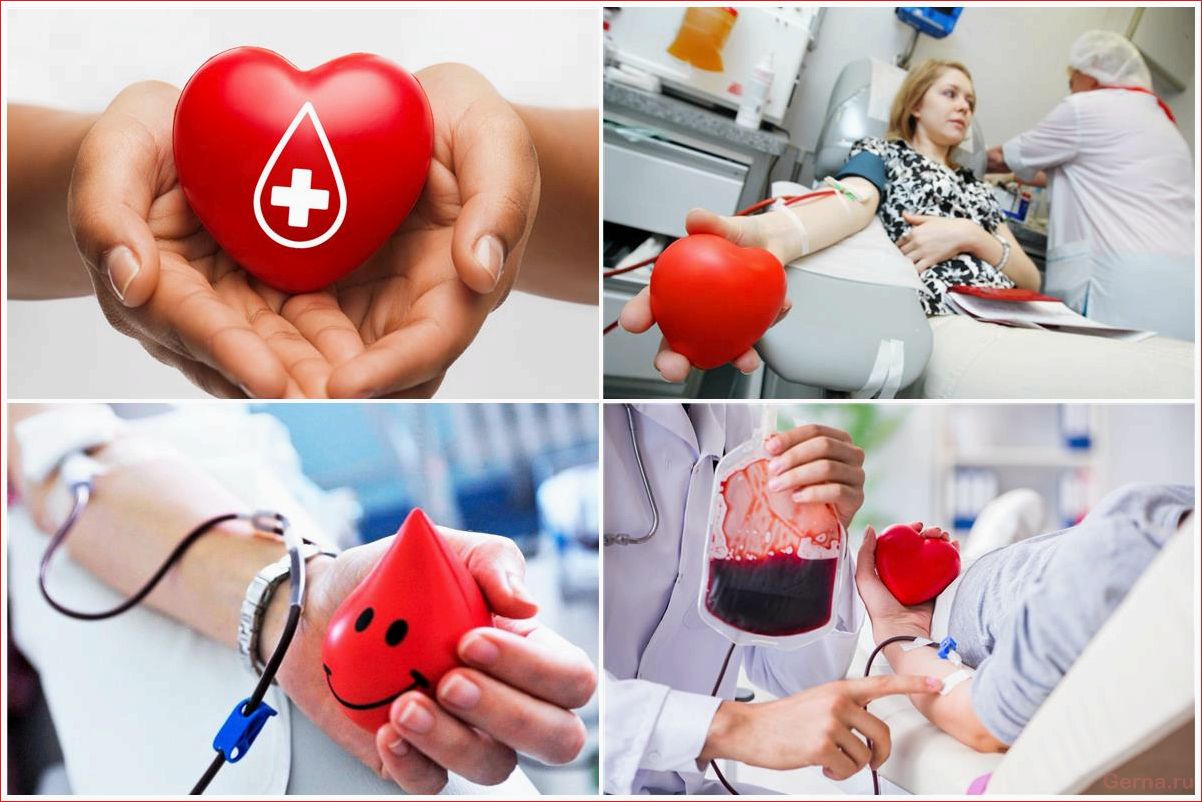
Recommendations for donor preparation before donating blood
- Eating breakfast on the day of donating blood is an important step. It should be light, including tea with sugar, bread and berries. Avoid dairy products and oils.
- Avoid physical activity the day before the procedure, as this may affect blood pressure and overall physical status, which is not appropriate for the donor.
- Avoid smoking one hour before donating blood. Nicotine can negatively affect the composition of blood and the process of blood donation.
- Sleep at least 8 hours before your procedure to ensure you feel rested. Fatigue can have an adverse effect on your well-being during the donation process.
- Do not take painkillers or aspirin 48 hours before donating blood unless directed by your doctor because they may increase your blood”s clotting time.
- If you have recently taken any medications, be sure to consult with the medical staff at the blood donation center to ensure there are no contraindications.
- Health criteria for donors — key medical requirements and restrictions
Health criteria for donors — key medical requirements and restrictions


