
Types of modern contraception
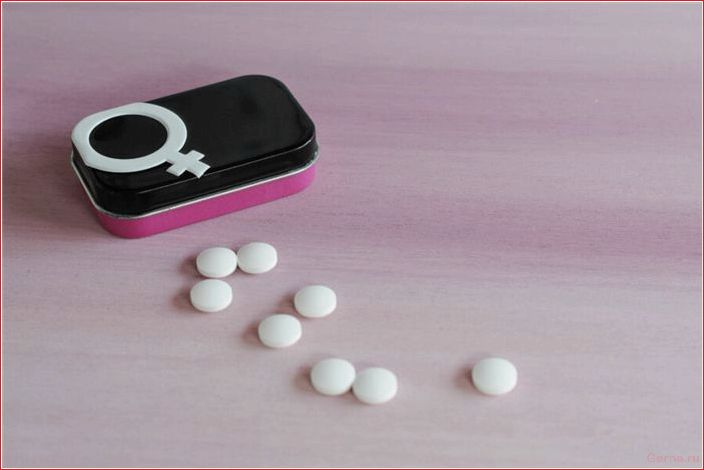
Humanity has been trying to influence the number of its offspring for more than 2000 years. The first means of contraception was unusually simple and was made from animal feces, cobwebs and plant decoctions. Condoms made from animal intestines and fine silk were already available for men.
Contents of the article:
In addition, special exercises, even sneezing, were recommended after sexual intercourse. Naturally, these methods did not give the expected results. Modern medicine offers many more effective and safer ways to control fertility.
Women often forget to take contraceptives regularly, and men do not pay attention to the expiration dates of condoms. This significantly reduces the effectiveness of these methods of preventing unwanted pregnancy. What method of contraception is most often chosen? What is a Perl index? And what types of contraception are most effective for this indicator?
Contraceptives are divided into natural, hormonal, chemical and mechanical. Each of them has its own advantages and disadvantages. In order for a contraceptive method to be safe and effective, it is recommended to take into account a number of factors, including the woman”s age, her condition, desires and even satisfaction with the relationship.
Pearl index
This indicator was developed by Raymond Pell in 1932. It measures the effectiveness of contraception and shows how many of every 100 women using a particular contraceptive become pregnant within a year. The more effective the drug, the lower the index (it is 85 without the use of contraception).
Simply put, the PERL index informs you about the risk of becoming pregnant when using a particular contraceptive. For example, 1 means that out of every 100 women who used this contraceptive for one year, one became pregnant.

Contraception methods vary widely—you can choose from dozens of oral contraceptives (pills), patches, injections, condoms, pellets, and implants. One procedure is suitable for teenagers starting a relationship, another for breastfeeding mothers, and still another for mature women. Some methods are specifically designed for women who have never given birth, while others are for those who do not want to have more children. Furthermore, there are contraceptive methods for both regular partners and casual relationships. There are solutions for both unforgettable women and irregular sex.

Chemical contraception
Chemical contraception includes psychoactive drugs that paralyze sperm, shorten lifespan, do not damage genetic material, and do not thicken cervical mucus.

The advantage of chemical contraception for women is their ease of use. However, keep in mind that they often cause allergies and can also contribute to the development of vaginal infections. Furthermore, not everyone actively perceives the sensations associated with this method of contraception. Chemical contraceptives include

Read also: Types and mechanism of action of hormonal contraception
Hormonal contraceptives are a fairly common method of preventing unwanted pregnancy, so it”s no longer surprising. This is how it works.
- Sperm gel
- Cutting vials
- Contraceptive balls
- Vaginal sponges
- Sperm creams
The PERL index for chemical contraception is 6-26.

Mechanical contraception
Mechanical contraception involves creating a barrier for sperm, preventing access to the egg. The undeniable advantage of mechanical contraceptives is that they do not affect the blood clotting system and do not have a lasting effect on fertility. Contraceptives also protect against sexually transmitted infections. These include:
- Intrauterine devices (the PERL index ranges from 1 to 4, for hormonal IUDs from 0. 2 to 1, used for 3 years)
- Condoms (for men with a PERL index of 7-14)
- Vaginal membranes and cervical caps (for a PERL index of 2-25)
The effectiveness of condoms, vaginal membranes, and cervical caps is increased when used in combination with spermicides.
Hormonal contraception
Hormonal contraception is based on the assumption that there are two states in a woman”s life in which she cannot conceive a child. Menopause is simulated by contraceptives without estrogen, and pregnancy is simulated by contraceptives treated with estrogen.

Different types of hormonal contraception differ in the method of administration of hormones and the dose size. The following hormonal contraceptives have their own advantages and disadvantages. The fact that one method may not be suitable does not mean that another method cannot be used. The following hormonal contraceptive methods are currently available:
Types of contraception
- Contraceptives (one-component and two-component)
- Contraceptive injections
- Birth control pills
- Birth control chips
- Contraceptives (transdermal contraceptives)
The PERL index for hormonal contraception ranges from 0. 01 to 0. 54.
Male contraceptives are the latest research into their effectiveness and effects on the body.
Natural means of contraception

The advantage of natural contraception is that it does not interfere with the natural functioning of the endocrine system and is absolutely free. On the other hand, the effectiveness of natural methods of contraception is based on monitoring the symptoms that the body produces, the amount of cervical mucus, mood and ovulatory pain, so the effectiveness of natural methods of contraception is closely dependent on the condition of the body.
Unfortunately, they are not always constant, which makes it difficult to find on the day of need (for example, during illness) and reduces their effectiveness. Natural methods of contraception include:
- Thermal methods (i. e. using heat)
- Billings method (observation of cervical mucus)
- Symptomatic and thermal methods
- Cycles (ready-made computers, pariahs)
- Family calendars
Sterilization
There is another safe and effective, but rather radical method of preventing pregnancy — sterilization. This is the most popular method of contraception in the world.

This procedure is performed by making small incisions and ligating the ducts or fallopian tubes. A short visit to the appropriate medical facility and local anesthesia. Unfortunately, female sterilization has a very serious drawback — it is irreversible.
In addition, it should be noted that some doctors refuse to perform sterilization because they believe that it violates both moral and criminal standards.


