
The most beautiful Russian women in history.
Russia, the homeland of many people, is rich in the diversity of human faces. In different regions of the country, from the far north to the prosperous cities of the south, the attitude towards beauty is different, but for all nationalities beauty has always been closely related to health. She was long considered the most beautiful Russian woman, a woman with an energetic character and a strong body.
Contents of the article:
A significant part of the population living in Russia has Slavic roots. Blonde hair, eyes and skin are common features and are considered attractive.
However, living for hundreds of years on a common land, people inevitably mix with each other. Due to the presence of different ethnic groups in the same territory and the influence of globalization in Russia today there is no uniform idea of beauty standards. For the same reason, the girls known as Russian beauties were actually representatives of different nationalities.
Roksolana
Kidnapped to be sold into slavery, these girls have come a long way to take their fate into their own hands. Who was Roksolana, the concubine who became the Sultan”s wife, and how did her beauty affect her life?
Roksolana”s homeland and nationality are unknown. Judging by documents from the 16th century, when Roksolana lived, she could have Russian or Polish roots. In the next century, a version about its Ukrainian origin was added to this. It is popularly believed that she had a Slavic appearance.
As Roksolana she is known only to Europeans. In the Ottoman Empire, probably after entering the Sultan”s harem, she was called Alexandra Anastasia Lisovskaya. However, Roksolana’s first given name remains a mystery. Polish writers often call her Alexandra, and Ukrainians — Anastasia.

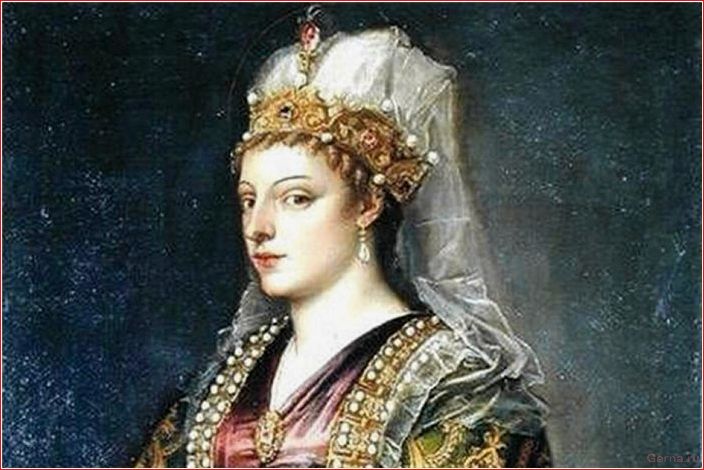
Roksolana’s homeland was regularly subjected to destruction by neighbors, and after one of the raids the girl was captured. However, it was beauty that first determined her destiny. They decided to take Roksolana to Istanbul, to the largest slave market, in order to earn a lot of money by selling a beautiful girl.
And already in Istanbul, during the auction, Roksolana’s charms gave her a chance for a good future. At the beginning of the auction, the girl was noticed by a general close to the Sultan. He decided that Roksolana’s beauty was suitable for the ruler himself.

When the slave owners learned to whom the girl was addressed, they respectfully refused the money. This later played a role in Roxolana becoming the Sultan”s wife. The status of a gift was somewhat higher than that of a purchased slave.

In the harem, Roxolana could have enjoyed luxury and carefree life for the rest of her life, but she chose a different path. Whether she fell in love with the Sultan at first sight or sought his attention to strengthen her position in the palace, one can only guess what was on her mind.
Either way, Roxolana began making significant efforts to win the Sultan”s heart: she learned the language he spoke, read about politics and economics so she could converse with him, and even converted to Islam. His religion.
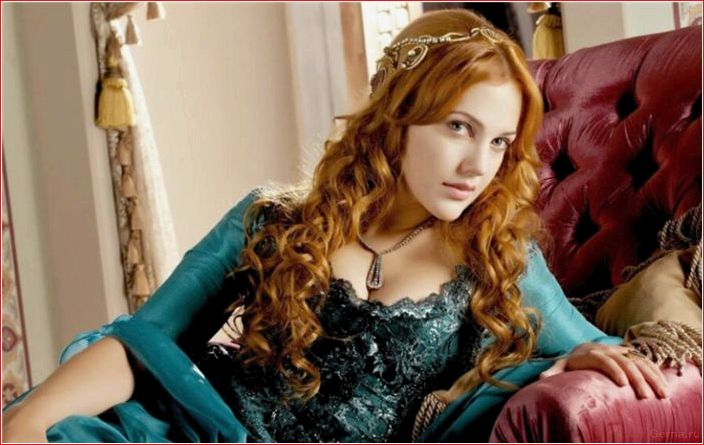
Moreover, she actively participated in court intrigues to distract the Sultan”s attention from her rivals. Roxolana was one of hundreds of beauties in the harem, and only her attractive face could elevate her to the position of favorite and then wife of the ruler. Her beauty paved the way for her entry into the palace and attracted the sultan”s attention, but Roxolana had to fight for love and power in other ways.
Alexandra Anastasia Lisovskaya, or Roxolana, possessed great wisdom. But this was only one of her main characteristics. You can find more interesting facts in the article at the link.
Elizabeth Petrovna, Autocrat of All the Russias
Elizaveta Petrovna, All-Russian autocrat
Elizabeth was born before her mother, Catherine I, married. Political opponents later used this fact to challenge her claim to the throne, but this did not diminish the little princess”s life as a child.
The future empress grew up not at court, but in a country mansion. As a child, she was restless, freedom-loving, cheerful, and full of life. She loved holidays, entertainment, herself, and the beauty around her—a quality she retained throughout her adult life.
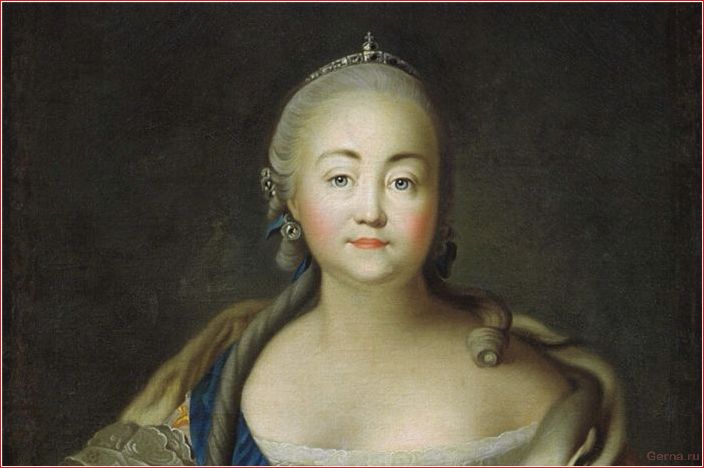
From an early age, she enjoyed sports and the arts. Elizabeth loved dancing and horseback riding, studied music, wrote poetry, and spoke several languages. However, her education limited itself to this. Elizabeth”s beauty was so dazzling that her father, the emperor, wanted her to marry the monarch.
This problem significantly complicated Elizabeth”s maternal lineage. Despite a beautiful bride and a Russian tsar as a son-in-law, European monarchs were not willing to marry peasant women.
Elizabeth was 16 years old when Peter I died. Her mother, Catherine I, ascended the throne, and during her reign, Elizabeth”s life continued to be carefree. However, this ended after the death of her parents. Elizabeth posed a threat to other claimants to the throne because of her potential heir. This meant she was constantly in danger and inevitably found herself embroiled in intrigue.
Read also:
The most beautiful women in Russian and world history: who are they? The most beautiful women in history: who are they and what are they like? What makes a woman an idol? Is it beauty or heart and character? Why beauty?
Over the years, the strings of succession unraveled, and Elizabeth drew closer to power. The Supreme Privy Council, knowing she would not be an obedient puppet, circumvented the rules and will and elevated the 40-year-old Dowager Duchess Anna Ioannovna to the throne.
The threat of forced confinement to a convent became especially serious for Elizabeth. Fortunately, the incident was limited to an unofficial arrest. Elizabeth and her retinue were transported to a small palace known as Smolny House and discreetly installed behind her back.
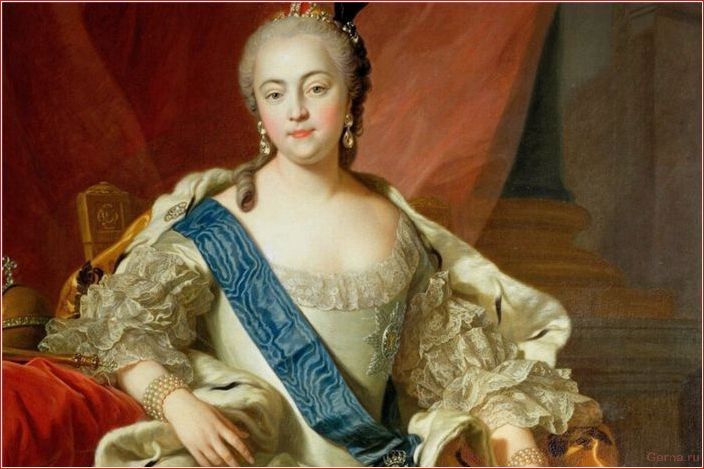
Unlike entertainment, power held no appeal for Elizabeth. Compared to the luxury she had become accustomed to, the new conditions seemed very restrictive. However, Elizabeth did not violate the implied terms of her exile until her life and freedom were again threatened.
Open, simple, generous, and cheerful, the beautiful Elizabeth easily won the hearts of the people. She was adored and worshiped not only by the common people but also by the guards, who simultaneously became Elizabeth”s supporters.
After Anna Ioannovna”s death, power passed to her niece”s son. He was not only a relative but also too young to rule. His interests were protected by his mother, Anna Leopoldovna. She was the true ruler, and it was she who saw Elizabeth as a threat and an enemy.
Elizabeth could have allowed herself to be destroyed or fought for her freedom and power, but she chose the latter. Enlisting the support of the guards, who constantly attracted her attention, Elizabeth reminded the world whose daughter she was and ascended the throne a few hours after the uprising began.
After her coronation, Elizabeth was no different from others. She threw one magnificent ball after another and could wait months for important documents to be signed. She still didn”t know the schedule or routine. She could wake up whenever she wanted, have breakfast in the evening, and order dinner for the evening.
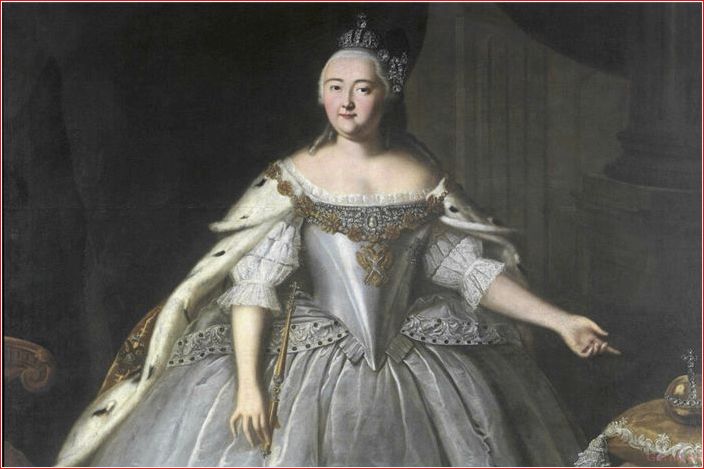
There were thousands of dresses in her wardrobe. The Empress was obsessed with fashion and never wore the same outfit twice. The halls of the palace were full of luxury, but the rooms were damp and windy. Elizabeth paid no attention to practicality, and her subjects followed her example.
She was not interested in national politics, but gathered talented politicians and military leaders around her. They actually ruled the country. Elizabeth”s inner circle combined love for her country with the desire to get rich personally and achieve contradictory results in governing the state.
Despite the ruin of the treasury and its own people, under Elizabeth the first Russian bank was created, the war between Russia and Sweden was won, Russia’s position in foreign policy was strengthened, and the authority of state power grew.
Elizabeth encouraged science and art, invested in the architecture of St. Petersburg, and was the patron of Mikhail Vasilyevich Lomonosov, one of the most important scientists in Russian history. She opened the first gymnasium.
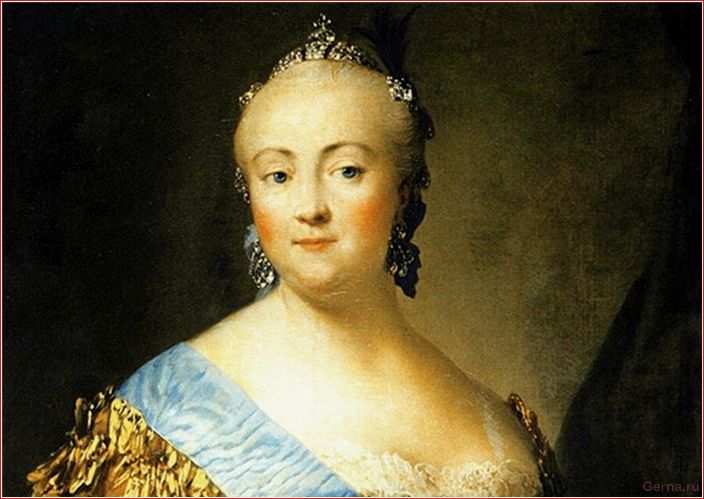
A Brief History of Great Women of Russia
A Brief History of Great Women of Russia
Matilda Kshesinskaya
In August, the family traditionally attended graduation performances. Afterwards they had dinner, where Matilda met Nicholas, heir to the Russian throne. The king himself noticed his son”s interest and seated the young ballerina next to him.
Matilda and Nikolai were passionate about each other and continued to meet, knowing that they could not have a happy future together. Oddly enough, Nicholas”s royal parents did not interfere with their romance. Matilda was the first girl in whom Nikolai showed interest. Previously, he was distant and lonely, which greatly worried his mother, Empress Maria Feodorovna.
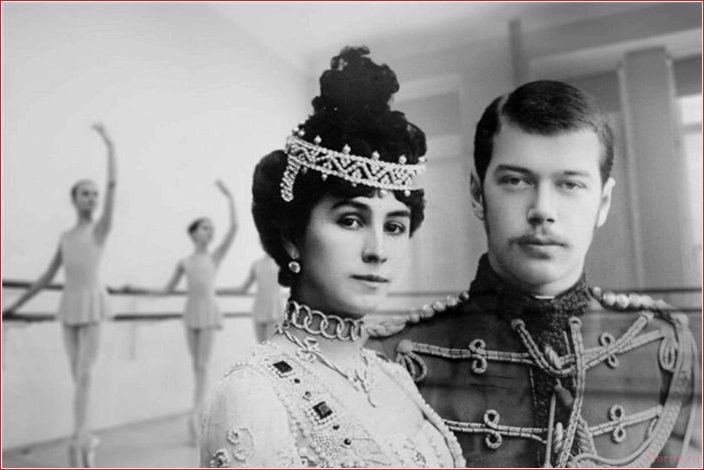
In its first season, Matilda performed 43 times in opera and ballet. She was given minor roles, but still she played prominent roles in which she could prove herself. It was no secret that such a rapid rise of the ballerina was facilitated not only by her talent, but also by the patronage of an influential lover.
Nikolai gave his beloved a mansion on the embankment, where they held secret meetings. The high position of the heiress obliged her to work a lot at court, but Nicholas tried not to miss a single performance of Matilda.
Matilda danced a performance in which the guards remained, and Nikolai served. The lovers whispered backstage at the Mariinsky Theater in St. Petersburg. On the first night after returning to Russia, having survived an assassination attempt in Japan, Nikolai sought solace in the arms of his beloved.
However, their relationship ended when Nicholas married Princess Alice.
Broken, Matilda did not leave the house for several weeks. Then she decided to leave Russia and go on tour to cool down her feelings.
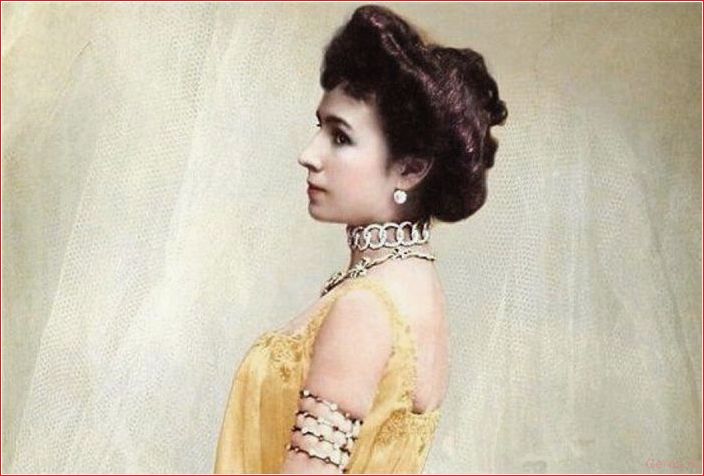
No one in the Russian theater was waiting for her return. The competition for places on stage was great. Kuvshinskaya, and this time she had to ask for help from the imperial family in order to be able to dance at home again.
Nicholas could no longer feed Matilda, but left her in the care of his cousin, Prince Sergei Mikhailovich. In addition, Kucheshinskaya turned for help to her uncle and the king”s brother, whom she knew and who took pity on her.
Matilda again received expensive gifts and an important role.
The Romanovs recognized and appreciated the beauty and charm of Kusheshinskaya and gave her great support both at the beginning of her career and at the turning point of her return to the Russian stage after her breakup with Nikolai. It is very easy to forget or not realize how hard Matilda worked to develop her talent. Inspired by recognition and love, she spent countless hours at the machines and did not spare herself.
At the peak of her career, Kushinska honed her skills with Italian choreographer Enrico Cecchetti. She never forgot her classes with Ioganson, who taught her ballet since childhood. Matilda honestly defeated her main rival, the talented Italian Pierina Legnani, on stage.
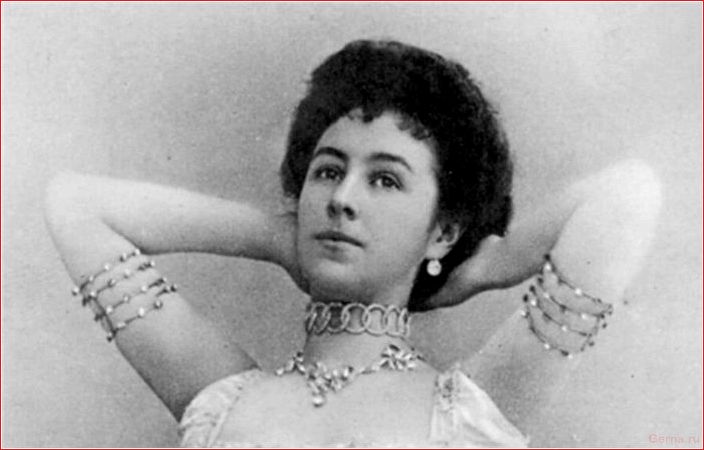
Beautiful Russian women, great Russian women
Beautiful Russian women, great Russian women
Read more stories about the most beautiful gypsies in the following articles via the links.
Beautiful, Russian, women, stories


