
Heterosexual relationships in history and modern society. What is the connection between a man and a woman?
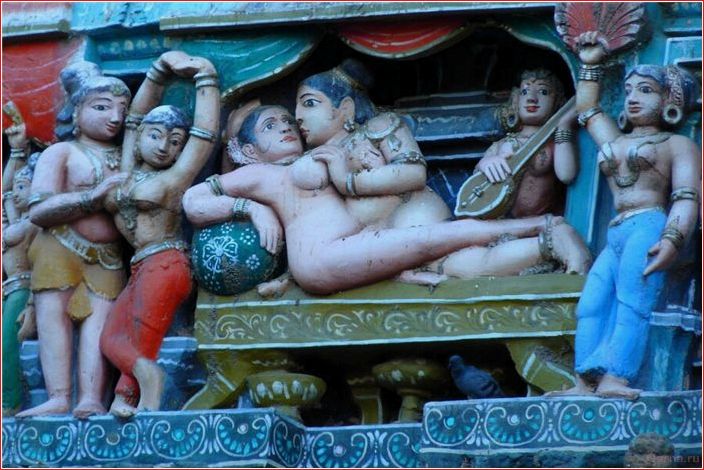
If we turn to ancient Greek, we will find the answer to the question of the meaning of the word “hetero.” The literal translation is the opposite. However, in most cases, the word “hetero” is supplemented with “sexuality.” The combination of these two words leads to heterosexuality.
Contents of the article:
- How heterosexual relationships developed from ancient times to
- The creative fruits of heterosexuals
- The culture and problems of modern heterosexual relationships
- Society”s recognition of heterosexuality as the only correct orientation
- How many heterosexuals are there in the world and the dangers of sexuality
Before civilization, human societies lived in primitive communal systems. There was no state, no money, no electricity, no smartphones, nor all the usual benefits of civilization. Therefore, they had to find other forms of entertainment. Forms of relationships were predominantly heterosexual, but specific.
Heterosexuals are people of the opposite sex—men with women and women with men—who experience physical and platonic attraction. If you search the word “hetero” online, it almost always refers to a specific sexual orientation.
How Heterosexual Relationships Developed from Ancient Times to the Modern Age
American ethnologist Henry Morgan described five different types of human families that existed at different times. All were heterosexual, but differed from modern concepts.
According to Morgan, the first type was the consanguineous family. It was based on group marriages between brothers and sisters. Over time, tribe members began to understand that incest led to genetic abnormalities and that children born from such relationships were born with congenital diseases. Therefore, people began to seek other methods of reproduction.
The next stage of development was the Punaluan family. There were two groups: sisters and husbands. Husbands weren”t necessarily related, and vice versa, and women married brothers and wives who weren”t related. The Punalua rejected incest.

Blood families and rational families are a form of group marriage. These days, they”re jokingly called “Swedish families.” Families consisted of two groups: men and women. All men had sex with all women, and vice versa. They weren”t created for pleasure, but for survival. The children”s fathers have never been traced. Only the mother can be identified.
Echoes of primitive heteronormative relationships were found in the feudal marriages of European aristocrats, where cousins were taken as wives. Another interesting example was observed among the Australian Aborigines. According to their tradition, for male guests the host is obliged to provide one of his wives for the evening. This was considered good manners.
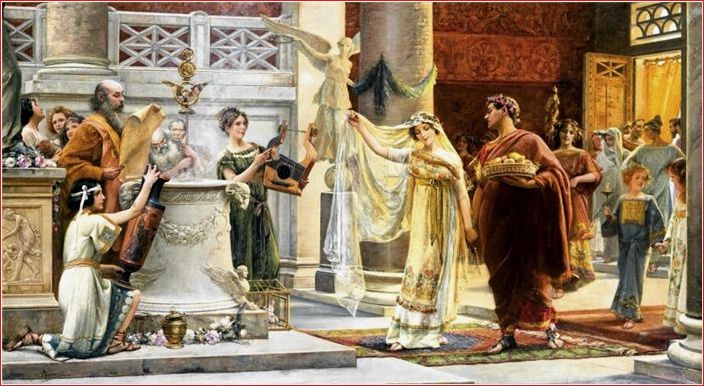

Subsequently, the scientific community was skeptical of Morgan”s hypothesis about the existence of related families and punalua. Thus, in science, these moments of history are only hypothetical.

However, with the advent of property, heterosexual relationships had to change. People gradually switched to a sedentary lifestyle, houses, livestock and material values appeared. Someone must become the heir. How can you determine the father if another man has sexual relations with the same woman?
There was a special ritual called qubada. After the birth of the child, the man took the baby in his arms and imitated childbirth to show the whole tribe his participation in the creation of the child. Thus, the newborn was shown as the future heir.
All this served as the basis for the creation of paired families. Basically, a couple appears: husband and wife. They live together and run a common household, but the spouses do not give up having affairs on the side. Relatives give consent to the marriage. It is almost clear from whom the children come.
The man lived in the woman”s family”s house. In cases of quarrels and disagreements, the wife is always right. This is explained by the fact that the men of the woman’s family stood behind her. In cases of “divorce,” the husband had to leave with nothing. Morgan came to a similar conclusion while living with a North American Indian tribe. In the 19th century, matrilineal societies existed, and the principles of Indian communities served as one of the prototypes of the chain in the evolutionary theory of family origins.
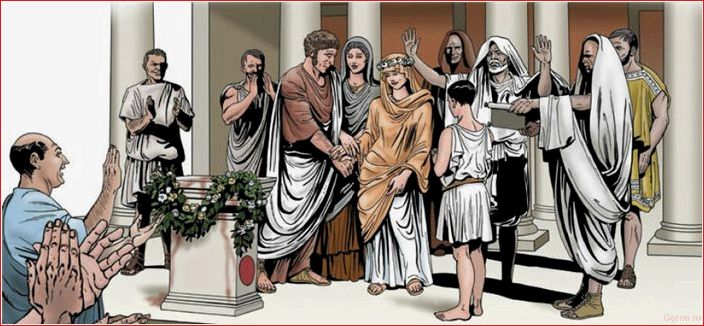
The next stage in the development of heterosexual relationships is the patriarchal family. In a nutshell, this is polygamy. Influential men married several girls. The Sultan’s harem has a similar principle of building relationships, thanks to its proximity to the eastern peoples. However, there were also common features in Europe. For example, the prince of the Kyiv principality could have one main wife and 900 side ones.
The result was a monogamous family with husband and wife at the center. This is a modern type of relationship building. According to Morgan, monogamy is a continuous spiral of paired families. Husband and wife live in separate houses, and the maternal and paternal lines are clearly visible.
The creative fruits of heterosexuals
The attraction of a man and a woman to each other is an opportunity for discovery and achievement. Art and creativity have developed. But if people confuse love with passion, they have reached the most vile depths, with betrayals, atrocities, and other side effects.
Conventionally, expressions of human attraction to the opposite sex can be divided into two categories: physical and platonic. An example of Platonic unrequited love is the work of the Italian poet Francesco Petrarch. He wrote a sonnet to his beloved Laura. However, this is not her real name.
Read also: The Scourge of Modern Society, or Why You Can”t Build Relationships with Men
She is a successful young woman and earns a good income. Her career has taken off, and her beauty is in her twenties. She is no longer a girl, but a woman who.
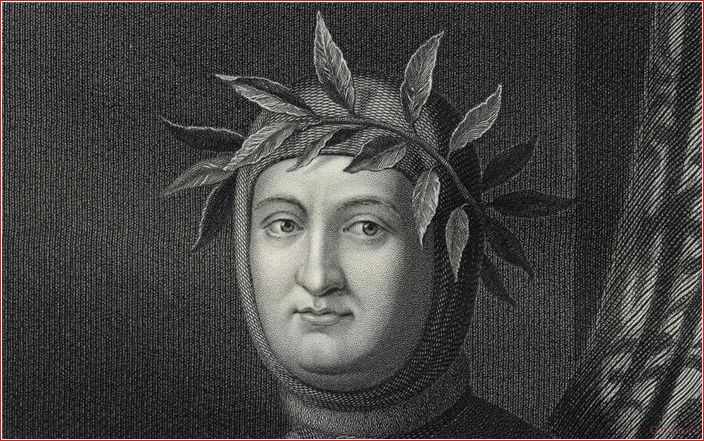
The fact is that Petrarch fell in love with a married woman. To avoid embarrassing her with his unrequited love, he adopted a pseudonym for his true heroine. The woman”s real name could not be determined. Since then, a considerable number of similar poems, verses, and songs have accumulated, authored by other people.
Not everyone shares these ideas about love. For example, the Russian writer Fyodor Mikhailovich Dostoevsky describes the healing power of love in his works. This was not always limited to relationships between a man and a woman, but extended to life as a whole.
Moreover, in modern society, healthy heterosexual relationships do not cause suffering, as Petraka explained. But in any case, even healthy relationships are nerve-wracking, and they do not last a lifetime.
Among the manifestations of physical intimacy, one of the most famous monuments of human creativity is the Kama Sutra. This ancient Indian treatise on love became widely known thanks to man”s thirst for exotic and “secret knowledge.” The Kama Sutra consists of 64 chapters and seven sections. It is valuable not only as a guide to sexuality but also as a source of historical information. Furthermore, it offers insight into the everyday life of the ancient peoples of India. However, it”s worth learning about sodomy in the linked article.
Culture and Problems of Modern Heterosexual Relationships
The culture and problems of modern heterosexual relationships
Romance is too romantic. Having embraced mass consumer culture, men and women become showpieces. For example, women dream of men holding them in their arms, giving them expensive gifts, winning their millions, and paying attention to them without even thinking about looking the other way. Men want to see women as the ideal lover, with a beautiful body, wise, and caring like a mother.
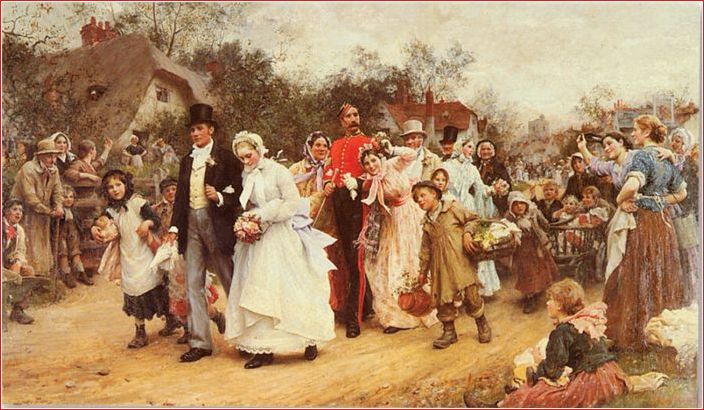
BBC: He and She — Relationship Secrets. Gender Differences. Part 1. BBC: Secret of the Sexes. Sexuality. Part 1
Typically, the baby”s position is monitored on both sides. In other words, men and women want everything from their partners, but the alternative offers nothing. Divorce statistics paint a grim picture—60% of marriages end in divorce. This attitude prevents partners from accurately assessing their loved one”s ability to cope with difficulties.
Society”s Recognition of Heterosexuality as the Only True Orientation
Society”s recognition of heterosexuality as the only correct orientation
Gays and lesbians are people who experience sexual attraction to people of the same sex. Bisexuals love both men and women. Asexuals experience no sexual attraction at all. The latter type emerged in the early 2000s. Sometimes they hold parades and try to assert themselves.
Gays have known about gays for a long time. In the ancient world, the Greeks described homosexual relationships. Everyone was divided into two camps: active and passive. Active ones had a higher social status. However, society frowns on such behavior. The Romans didn”t divide sexual relations into homosexual and heterosexual. They had two positions: male and female, where a man could take on the role of a woman, and a woman the role of a man. Attitudes toward this varied at different times and in different states. Homosexual relations were frowned upon in the army. If a man of high social standing adopted a passive stance, his masculinity was lost in the eyes of society. In other words, it was humiliating.
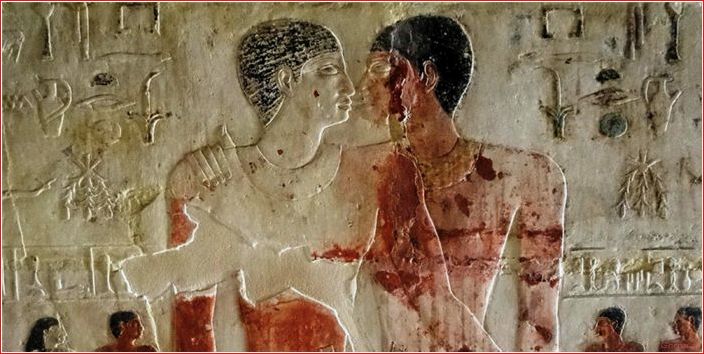
In Christianity, homosexuality is considered a mortal sin. There is a difference between homosexuality and homosexuality. Homosexuality does not result in behavior or homosexuality, but can be controlled by the individual—an ideal act. The Apostle Paul said that if you succumb to this sinful behavior, then a person’s instincts begin to work differently, and he himself causes evil in himself.
Orthodoxy and Catholicism condemn homosexuality. However, since the last century, attitudes towards gays and lesbians have become more accepting. The position of the Orthodox Church does not accept homosexuality as a sinful tendency that must be sinned against. However, he treats these people mercifully and directs prayers to help them get rid of their sin. Translated from ancient Greek, sin is a wrong choice, and repentance is a person’s sincere desire to correct his sinful nature.
This should lead to a compassionate attitude towards people with a non-standard sexual orientation, since they cannot control their preferences. In some cases, homosexuals are born with an innate preference for one sex. Thus, attraction to same-sex relationships is not necessarily an indicator of a person’s perversion, but people somehow have to live with it. At the same time, there is no need to promote to the masses the normality of some phenomena and distort others.
However, in society there is an extreme measure — homophobia. This is hatred towards people with non-standard sexual orientation. Homophobes are a minority. Most people are indifferent to people of a certain orientation.
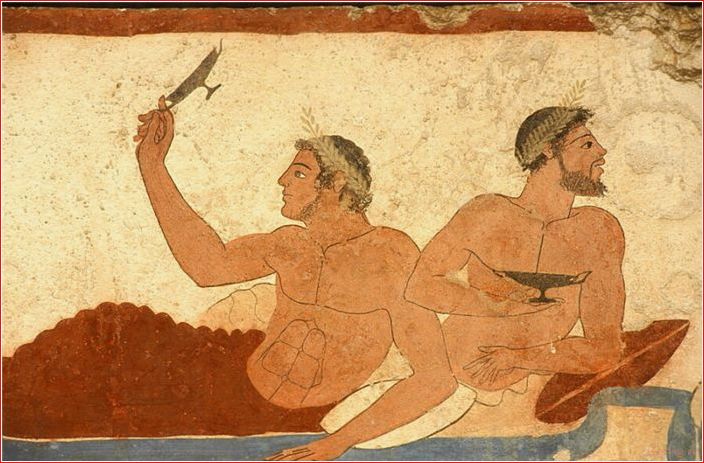
At the end of the 20th and beginning of the 21st century, the World Health Organization removed homosexuality from the list of mental disorders, but at the same time it is not considered normal. Examples of normal relationships are still based on the principle of heterosexuality.
How many heterosexuals are there in the world and the dangers of sexual minorities
Attitudes towards people of non-traditional sexual orientation have softened. They have begun to talk more openly about their preferences, but some are still afraid to widely advertise their belonging to a sexual minority.
The majority of the planet”s population remains hetero. In numbers, this is 97% of the world”s population. Homosexuals make up 2% of the world”s population, 55% of them are infected with HIV. The survey data was collected relatively recently, in 2013, in the United States. Moreover, people of non-standard sexual orientation (not counting asexuals) are at risk of contracting AIDS, as well as other sexually transmitted diseases.
The desire of sexual minorities to be accepted in society can lead to strange situations. One of them took place in the summer of 2015 in the Australian city of Seattle. Anthony Rebello organized a heterosexual parade in this city. However, the only person who visited him was Anthony himself. He later commented on the situation and said that heterosexuals are afraid of the homosexual community and are afraid of being judged.

Hetero, relationships, history, modern, society
Hetero, relationships, history, modern, society


