
Contraception: 9 Types of Protection against Unwanted Pregnancy
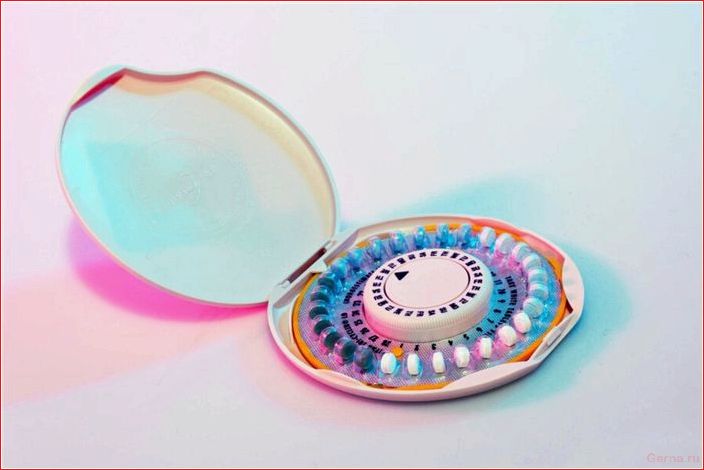
Today, there is a wide range of contraception methods, making it very difficult to get pregnant by mistake. Contraception protects against unwanted pregnancy, as well as sexually transmitted diseases. To determine which method is right for you, you first need to understand the different treatments available and their features and benefits.
Contents of the article:
9 Types of Contraception
- Condoms
The most common and simple method of contraception is condoms. They are excellent because they do not affect a woman”s hormonal balance at all, are compact, easy to use, and can be used by both men and women. Furthermore, they are perhaps the only method that is equally effective in preventing both unwanted pregnancy and sexually transmitted diseases. Male condoms are typically made of latex and are placed over the erect penis to create a barrier. Their primary purpose is to prevent male condoms from entering the vagina. Female condoms are inserted into the vagina immediately before sex. It may take some getting used to the first time. They are also not as effective as male condoms.
Also, keep in mind that some people may be allergic to latex. If used incorrectly, condoms can slip off during sex, increasing the risk of pregnancy.
Oral Contraceptives
- As technical as the name may sound, these are essentially pills that are usually taken once a day. There are different types of these pills. Some are a combination of estrogen and progestin, while others are progestin-only.
It”s important to remember to take the pills at the same time every day. Other than that, they are a fairly convenient and simple method of contraception. There”s no risk of condoms accidentally breaking or falling out. Spontaneous sex also becomes an accessible option. Additionally, some pills can help relieve pain during heavy periods.
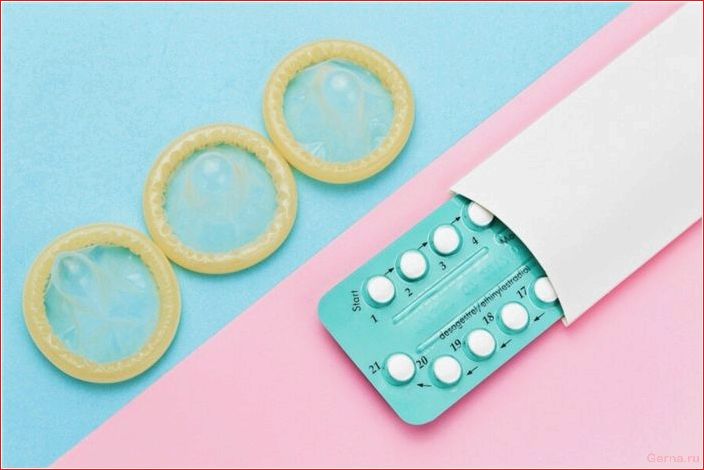

The disadvantages of this method are as follows. It can only be used by women; forgetting to take one tablet significantly reduces the effectiveness of the medication, does not protect against sexually transmitted infections, and cannot be used by women with contraindications to medications containing estrogens.
Intrauterine device (IUD)
- A small T-shaped device placed into the uterus by a specialist, usually made of material containing the hormone progesterone, plastic or copper. They are quite durable, but can be disposed of at any time if desired. Depending on the type, the intrauterine device can last from 3 to 10 years.
Typically, intrauterine devices are designed to gradually fill a woman”s body with hormones that prevent pregnancy. However, in rare cases, it can also be used as an emergency contraceptive if taken within 5 days (120 hours) after unprotected sex.


This is one of the most reliable means. Copper IUDs prevent 99% of pregnancies, while IUDs containing essential hormones provide 99. 8% protection.
Read also:
Sources of orgasms under protection: secrets of storing sex toys What are adult products? Always more fun. These seductive things come in different types. They can be “single” or paired to create
The only disadvantages of this method are irregular menstrual cycles during the first six months of use, the need to see a specialist for installation and removal of the device, and concerns about sexually transmitted diseases.
Contraceptive implant
- This is a small rod that produces the hormone progesterone, which prevents unwanted pregnancy. It is placed in the woman”s dominant area and can remain there for up to three years, after which it must be replaced. The procedure itself is not very complicated and local anesthesia is usually used.
Contraceptive implants are very effective, long-lasting and can be removed if necessary. Of course, this should be dealt with professionally. Additionally, it can be used in a cycle and does not provide protection against STIs.

Contraceptive injection
- This injection contains an artificial analogue of the hormone progesterone, which is injected into the buttock or female dominant. The hormone will work for the next 12 months, and during this time you don”t have to worry about the possibility of pregnancy after casual sex.
Apart from the possibility of cycle disruption and unexpected bleeding, the only disadvantage of this contraceptive is complete anxiety before sexual intercourse.
Emergency contraception
- In some cases, women require emergency contraception. The reasons can be very different — from broken condoms to rape. In this case, you can use special tablets sold in pharmacies without a doctor”s prescription.
Contraception: the best methods against unwanted pregnancy
Contraception: The Best Methods to Prevent Unwanted Pregnancy

Side effects of this drug include nausea, vomiting and menstrual irregularities. In addition, these pills do not protect against STIs.
Contraceptive ring
- A flexible plastic ring placed in the vagina. It can be worn for three weeks, after which you should take a week”s break and install a new one. The ring releases the hormones progestogen and estrogen in the same combination used in oral contraceptives. Unless smaller doses of the ring are used.
Broadband rings are convenient because you don’t need to contact a professional to install and remove them. They do not affect the menstrual cycle and have no real side effects.

Their disadvantages are similar to those of oral contraceptives: there is no protection against STIs. Always remember to remove the ring promptly for women who cannot take estrogen-containing medications.
Vaginal diaphragm
- In condom portraits, the vaginal diaphragm forms a barrier that prevents male semen from entering the vagina. It looks like a soft silicone dome placed inside the vagina. For effectiveness — at least 24 and at least 6 hours after sex. Then it must be removed and washed. Diaphragms are also convenient because they can be used over and over again and can last up to 2 years with proper care.
When set up correctly, they provide adequate protection, but are not comparable in effectiveness to tablets or implants. In addition, it takes time to adapt to it.

This is the most radical form of contraception; it is an operation that completely deprives the body of fertility.
It is only suitable for those who are convinced that they do not want to have children or do not want to have children in the future.
The operation is performed under general anesthesia and is available to both women and men. If you are serious about sterilization, you should first discuss the possible risks and complications of surgery with more appropriate, radical and less contraceptive methods. But, of course, the final decision is yours.
Modern methods of contraception.


