
The stage of inexcitability or when a guy doesn’t want sex
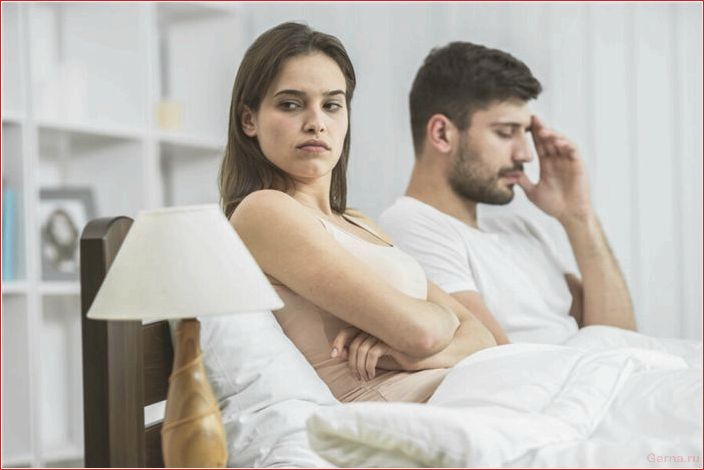
The sexual pleasure cycle between a man and a woman refers to a series of physical and emotional changes that occur when a person becomes aroused and engages in sexually stimulating activities such as intercourse or masturbation. Knowing how the human body reacts to each stage of the cycle can help improve relationships with partners and determine the exact cause of sexual problems.
Contents of the article:
If you”ve found that your man doesn”t like sex, we hope the information below will help you understand the internal and external stressors and come up with clear solutions to eliminate them completely.
The cycle of sexual pleasure in women and men
The sexual pleasure cycle has four main stages: arousal, plateau, pleasure and completion. Both men and women experience these phases, but their duration is usually different.
For example, both partners rarely reach orgasm at the same time. Additionally, the intensity of the reaction and the time spent on each step vary from person to person. By understanding these important nuances, partners can better understand each other”s bodies and reactions and improve their sexual experience.
First phase: excitement
The cycle under consideration is characterized by the following features:
- Acts from several minutes to several hours.
- This increases muscle tension in the body.
- Some areas of the body become slightly red (such as the chest and back).
- Men”s nipples become hard, but women”s nipples become hard and erect.
- Blood flow to the genitals increases, the clitoris, vulva and labia minora swell in women, and the penis enlarges in men.
- The genitals begin to secrete natural lubricant.
- In women: the breasts become fuller, the vaginal walls swell.
Second phase: plateau
The cycle under consideration is characterized by the following features:

- The changes affected by the first phase intensify.
- In women: The vagina continues to swell due to increased blood flow, the vaginal walls become dark purple, and some parts of the body become more sensitive.
- In women: touching the clitoris is felt several times stronger (some actions cause discomfort and even pain), and the clitoris itself moves deeper into the perineal fossa, avoiding direct stimulation from the male penis.
- In men: the ovaries of the reproductive organs become tense and acquire a reddish hue, similar to blush.
- Breathing, heart rate and blood pressure continue to increase.
- Muscle tension continues to increase.
- General sensations increase to the brink of orgasm.
Third phase: pleasure
Orgasm is the culmination of the sexual pleasure cycle and is considered the shortest phase, usually lasting a few seconds. The cycle under consideration is usually characterized by the following features:
- The muscles of the whole body gradually begin to contract.
- Blood pressure, heart rate and respiration are at maximum levels, and oxygen is supplied quickly.
- Certain areas of the body (eg thighs, calves, feet) begin to sag with the sensation of muscle cramps.
- Sexual tension is released quickly, unexpectedly and strongly.
- In men: the muscles at the base of the penis contract, resulting in massive ejaculation.
- Minor redness may continue to appear throughout the body.
- Don”t forget about prolonged sweating in large quantities.
Fourth phase: completion
During the fourth and final phase of sexual pleasure, the male and female bodies return to their natural and habitual functionality, and the swollen “straight” parts of the body return to their former condition, color and size.
Read also: 12 signs that a guy doesn”t want sex with you

I put on some nice lingerie, light some candles, and run the bath. But here the scenario does not develop according to plan, and the partner passes by, lightly touching the shoulder, and.

“Completion” is characterized by a general feeling of well-being, satisfaction, contentment and, of course, fatigue. By the way, some women can experience many orgasms, with further sexual stimulation allowing them to quickly return to the stage of arousal, plateau or pleasure. In contrast, men need time to recover (the period during which they cannot experience climax again is called the “refractory period”).
The duration of the refractory period is known to vary from a few minutes to several hours in men and usually increases with age.
Typical pattern of sexual response in men
So, after finding the main stages of sexual response and discussing in detail their characteristic features, it is worth understanding the answer to the question — what is the usual pattern of sexual pleasure among representatives of the stronger sex? Some girls worry about this factor because they begin to notice the separation of their partners from different types of sexual activity that comes with age.
The male sexual response consists of several stages. The first is, of course, sexual intimacy (in other words, the desire and simply need for sexual intimacy. The second is the arousal phase, characterized by increased arousal, an increase in the size of the control circle and blood flow to the genitals, which leads to an erection. During this phase, a man’s heart begins to beat faster and his blood pressure rises.
The third is the already familiar plateau stage, during which the head of the penis enlarges and acquires a more purple color. Naturally secreted fluids combine to form sperm and subsequently fill the urethra. Thus, the climax and the well-known moment of ejaculation approaches.
Why does a man watch porn and not have sex with a woman? the man doesn”t want sex.
Common Myths About Male Sexual Response
Because the topic of sex is so popular in modern society, a huge number of myths have developed around male sexual reactions. Some of them include:
- An erection always means that a man wants sex.
- Lack of erection means lack of sexual interest.
- Any touch can cause an erection in a man.
- A real man is always interested and ready for sex.
- Sex is simple, without discussion or planning.
- Men who have regular sexual partners do not want to masturbate.
- Real men don”t have sexual problems.
Representatives of the fairer sex (and some men) eventually stop believing in such absurdity, because all the facts presented are false and require some kind of “exposure”.
What Causes Sexual Response Problems in Men?
So, you are faced with the fact that your man does not want sex. Believe me, most people experience sexual problems at some point.
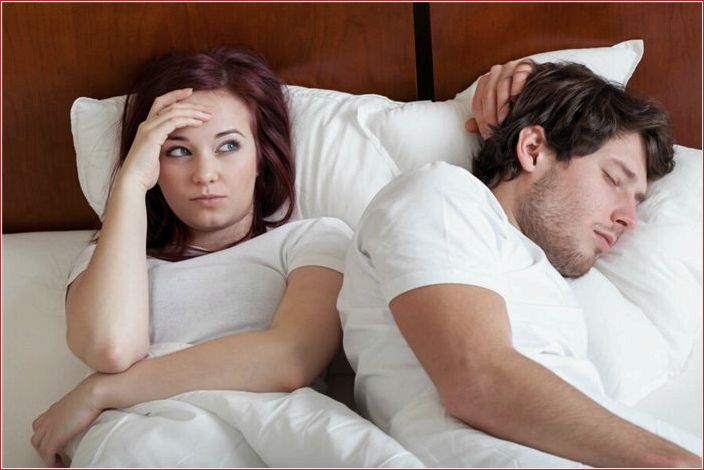
Indeed, you have experienced similar moments of fatigue and moments of general exhaustion (mental and physical). Men are not robots, not animals, they radiate strength and confidence. They may experience certain uncomfortable situations, which then affect their sexual response. For example:
- Men may be reluctant to have sex due to work, college, or home stress. This causes fatigue, depression and general irritation, which contributes to a pleasant emotional stuffiness in third parties.
- A man may be concerned about himself or that you are not getting enough pleasure from sex.
- Men”s ideas about good sex differ from your preferences and desires.
And, of course, do not forget about the age factor. As a man ages, it takes longer to feel full desire. With age, erections become less “elastic”, so this is considered normal and should not be reprimanded or criticized.
What can a man do to help himself?
Conversations with your partner may be the most important part of a healthy sexual relationship. Open and effective communication can help resolve many issues, including those related to sexual response.
If you are concerned that you have certain sexual problems, but you are embarrassed to discuss them with a loved one, consult your doctor. Physical “stressors” are actively treatable with medication and can be completely eliminated with surgery, and treatment can help you cope with anxiety and general fear.
You can also buy books online to learn more about the emotional and physical aspects of sexuality and sexual responses.


