
What and how exactly are condoms made?
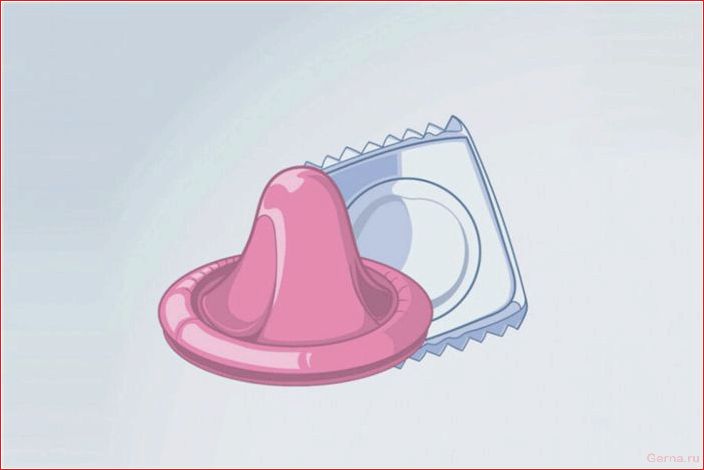
The most common method of contraception is latex products. Protection against unwanted pregnancy has always been relevant. Thus, the “sketches” and “drafts” of our distant ancestors are reflected in modern technologies.
Contents of the article:
How were ancient peoples protected?
How were condoms used to be made?
Historians call condoms ancient because there is still no consensus on how popular they were. Officially documented means of contraception at that time were predominantly for women.
Mentions of male products are often presented in a veiled form, but we still managed to collect some information.
In ancient times, “everything that appeared on the hands” was used to prevent unwanted pregnancy.
- Ancient Egypt.
They were definitely using something similar to a condom in the pyramid area. To protect men, they used pieces of silk wrapped around the penis.

Silks of different colors were used depending on social status.
The conquerors went a little further and used not only fabric, but also urine foam and intestines. Mainly sheep and goats. Presumably, such products were less convenient to use and caused discomfort for both partners.
A more convenient option was a calfskin condom.

Again, contraceptives made from the intestinal or bladder tissues of various animals were common.

Ancient texts mention legends of snakes and scorpions living in sperm. And to protect their partners from these terrible creatures, men used such condoms.
These Asian countries have shown even greater imagination in using the material. In Japan, “caps” made of turtle shells were used for contraception, which were worn only on the head of the penis. It probably looked strange. And the feeling is absolutely “magical”.
In China, silk paper soaked in oil was used to prevent unwanted pregnancies.
Such condoms were used by everyone. Their use and application have never been regulated. But then, by the 17th century, the Catholic Church in European countries opposed the use of this method of contraception.
Condom use was considered sinful and contrary to God”s gift of conception. It truly was a sin. Barrier condoms were used only by those with unfaithful spouses and those who engaged in sexual intercourse with a femme fatale.
Perhaps this helped slow the rapid spread of the syphilis epidemic at the time.
Read also: 6 Ways to Make Condom Use More Fun
Like flossing, using a condom is one of those things that is necessary, but unfortunately, not always convenient for some.
Furthermore, so-called second-hand goods emerged. As early as the 18th century, several different types of condoms were noted.
Casanova, famous for his adventures, tested various types of condoms. His main evaluation criteria were durability and integrity.

Today, all condoms are disposable, which is logical: maximum protection against STIs, sexually transmitted diseases, and pregnancy is essential. Such “luxury items” appeared in the 19th century. However, they weren”t affordable for everyone.
Small shops began to appear where used condoms could be purchased. They were carefully cleaned, dried, and sold at low prices. It sounds terrible, but it was better than nothing.
Rubber products are suitable for this type of reuse. They later began using it on an industrial scale.
Production of Siko condoms
Production of modern condoms
Today, a wide range of products is produced, including various colors, transparency, and surfaces. The entire process takes place in a factory, which requires special production technologies and high levels of sterility.
The technology itself is very complex, and the factory equipment is expensive. The process that gives condoms their familiar phallic shape is called vulcanization.
Most modern condoms are made of thin latex, 55 microns thick (only 0. 055 mm). For example, 15 tons of latex can be used to make 5 million condoms.
The production of latex contraceptives involves several stages.
- Obtaining latex from rubber;
- Dipping a glass phallic mold into latex;
- Removing the mold, which undergoes a series of heating processes;
- Repeated dipping in latex followed by heating to 140°C. This completes the vulcanization process;
- Next, the cooled product is treated with a liquid suspension in which it is left for several days;
- The condom is ready for use.
However, to avoid unwanted accidents during use, all finished products are checked for integrity, quality and maximum elasticity. This procedure is mandatory for all high-quality factory-made condoms.
This is followed by electronic testing and final packaging.
Only products manufactured using appropriate technology and undergoing proper testing can provide high-quality protection against infections and sexually transmitted diseases. And also against unwanted pregnancy (but remember that a 100% guarantee will not give you anything).
The condom consists of 92% natural latex. The remaining 8% of the composition is allocated to various stabilizers and vulcanizers, which give the material the necessary strength and ductility.
There are also condoms made from genuine leather and natural materials (the intestines remain intact). However, these products do not provide reliable protection and are expensive.
Polymer condoms were made as an experimental model. However, at this stage it is not possible to achieve the required elongation and strength.
Now you know a little more about these important “helpers” in your sex life. It is difficult to imagine the modern world without them, and their history goes back to ancient times.


