
Types and mechanism of action of hormonal contraception
 Hormonal contraceptives are a fairly common means of preventing unwanted pregnancy, so this is no longer surprising. So much has been written and said about her that it is easy to get lost in all this information. Against this background, myths have arisen that completely contradict real facts.
Contents of the article:
Hormonal methods of contraception are widely developed in all countries of the world. In the United States of America, for example, approximately 50% of women aged 15 to 45 rely on this method of birth control. The situation is completely different in Russia, where, according to research, only 10% of the country”s population uses oral contraceptives.
General concepts about hormonal contraception
The mass movement to liberate women from various stereotypes has had a significant impact on half the population. This is because women can now not only freely talk about their sexual and reproductive needs, but also satisfy them. Finally, women were able to regain their rights to their bodies. She can have sex as much as she wants with whoever suits her best. Make independent decisions about conceiving a child or terminating a pregnancy. This revolution was largely facilitated by the development of hormonal contraceptives. This is due to the fact that he gave women power over the processes in their own bodies. Hormonal contraception is understood as one of the methods of preventing unwanted fertilization, which a woman can regulate independently. This method is considered the best if the correct method is chosen and the rules of administration are followed. This way, the fear of an unplanned pregnancy fades into the background, and you can fully enjoy intimacy with your partner. Now spouses can choose when to have grandchildren. Their only drawback is that oral contraceptives cannot save a woman’s body from genital infections. In this case, the only means of protection are condoms. Contraceptives have almost identical algorithms for influencing the female body.
- Ovulation suppression
- Suppression of egg deposition on the surface of the uterus.
This is possible due to the fact that the female body regularly takes synthetic sex hormones. And the lack of ovulation occurs as a result of the action of birth control pills, as the ovaries decrease in size and the follicles cease to function.
The work of hormones
These are substances that affect the functioning of the human body. Normalization of the hormonal environment leads to improved skin and hair quality, weight that does not exceed normal, and a contraceptive effect. No matter how beneficial the effects may be, taking them without consulting a specialist is strictly prohibited. Sex hormones are biologically active substances responsible for the difference between the female and male sexes. There are two types of sex hormones in the human body:
- Estrogens are hormones involved in female fertility. They determine the first female characteristics from the moment of puberty and are responsible for sexual desire and the lunar cycle.
- Gastrogenic substances (pregnancy hormones) are formed in the luteal body and the adrenal cortex of the ovary. They make pregnancy and its support possible.
Thanks to these two hormones, the monthly cycle occurs. This is the appearance of the egg, ovulation and preparation of the uterus to receive the fetus. If the latter does not occur, then after the second stage the egg dies, and the mucous component of the genital organs is rejected. Then comes menstruation. This is what causes the bleeding, and not the rupture of the egg, as many believe. With bloody discharge, impenetrable cells are gradually released, but they are so small in size that it cannot be seen with the naked eye. One of the main estrogenic hormones in the female body is estradiol, produced by the ovaries. Its maximum presence in the body occurs almost in the middle of the cycle and activates the pituitary gland in the brain. It is responsible for ovulation and activation of progesterone (the main gastrogen) to release.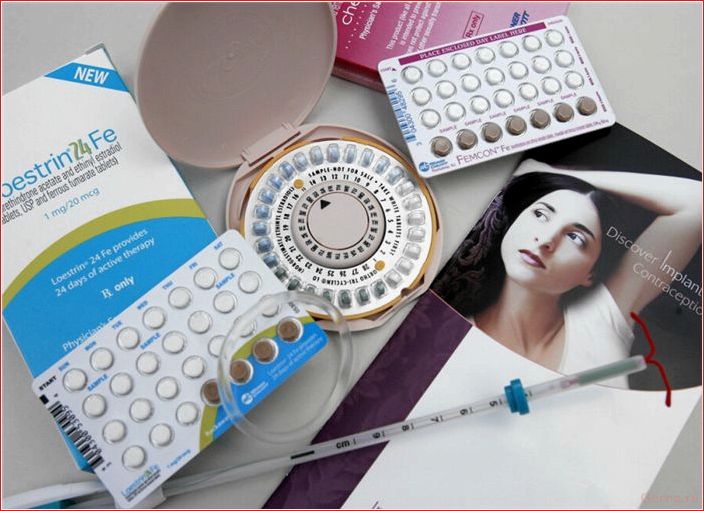
Read also: Types of modern contraception humanity has been trying to influence the number of its offspring for more than 2000 years. The first contraceptive was extremely simple and easy to make.

Hormonal contraception, guided by the characteristics of the female body, is aimed at the following:
- Pituitary suppression
- Maintaining normal progesterone levels
In other words, when using hormonal contraceptives, the pituitary gland is released from one of its functions, and the female body during the course is in a false state of pregnancy (hormones are in the same phase, there are no fluctuations. The egg does not function. Fertilization cannot be achieved). There are also different types of hormonal medications. They change vaginal discharge, making it more viscous. This makes it difficult for male reproductive cells to access the female egg, and changes in the thickness of its lining eliminate the exit of the uterus, thereby reducing the mobility of the fallopian tubes. Another method of preventing pregnancy is male contraceptives and their effect on the body. More details about this, as well as in the article at the link.
Starting hormonal contraceptives
Experts recommend starting hormonal contraceptives only after the monthly cycle is finally established. This is the age of 16-19 years. They can be used until menopause or pregnancy. By the way, after giving birth, the course can be started again. A break is possible only if there is no discomfort when taking pills, pregnancy or breastfeeding. Such a break increases the chances of conception, since only periodic use of hormonal contraceptives makes it possible to avoid this process. For a gynecologist, an endocrinologist can choose the right medicine. He needs reliable information about the client”s health status. Don”t hide any illnesses or allergies. All this can be disastrous, as it affects the prescribed medicine. And if it”s just ineffective, that”s good. However, the process triggered by birth control pills can also cause allergic reactions or aggravate existing diseases. Before visiting a gynecologist, it is advisable to make sure that the medical history (anamnesis) is presented correctly.

Gynecology hormonal contraception | just coca? — for the exam

- Thromboembolic diseases
- Diabetes mellitus (if yes)
- Super analgein (if available)
- Other diseases in the family
- Information obtained from examinations (general examination, breast examination, blood pressure, uterine smear, blood test for clotting and sugar, risk factors as a result)
Types of hormonal contraception
Hormonal contraceptives differ in the method of application, composition and hormone content in them. The most common type is oral contraceptives. About 25% of women who use this type of medication in everyday life prefer oral medications (summary based on studies in the USA). Such tablets should be taken daily at regular intervals, which depend on the composition of the drug. Tablets can be divided into several types according to their composition:
- Mini saws. They contain exclusively synthetic gastagens.
- Combined oral medications (COCs). The composition includes synthetic estrogens and gastagens (depending on the state of the body and the substance it needs).
This type of contraceptives has the lowest dosage levels compared to others. However, they also effectively protect against unwanted pregnancy. The only inconvenient thing about oral contraceptives is that they need to be taken every day and at the same time. For those who find it difficult to track their drug use, it is better to give up immediately and find someone else, since violating the rules of use increases the risk of conception. In our article, the nuances of using contraceptives of any kind.
Mechanical contraceptives
This type of drug is placed under or on the skin, as well as in the uterus. Its work is aimed at regularly releasing a small proportion of hormones in the body. It must be regularly replaced with a new one. The patch can be attached to any part of the body and changed once a week. As for the ring, it is made of elastic material and is placed in the vagina for about one month, similar to a tampon. There is also a spiral, which can occur in women under the age of 5 years. Only a specialist doctor can place it. The latest available are implants. They are installed under the skin and are comparable to a spiral.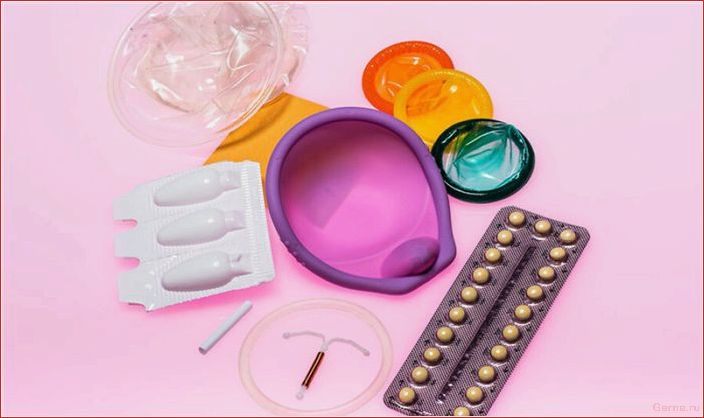 Hormonal injections may be considered. They were introduced a long time ago, but in practice this method is not practiced in the Russian Federation. They are mainly used in countries where access to other options is limited and not necessary, and are considered very effective and low cost. An important negative point is that they cannot be prevented. In other words, the injections make it impossible for the child to conceive.
Contraindications for use
The list of contraindications for use is quite extensive, and it is best to discuss it with a medical specialist. Here are some of them:
- Combined contraceptives are contraindicated in pregnant women, but are not recommended for nursing mothers within the next three months after the birth of the child. Breastfeeding up to 6 weeks after conception.
- Sucking women after 35 years.
- Women susceptible to hypertensive disorders.
- Women with thromboembolic problems.
- Diabetics.
- With pre-existing vascular disorders.
- Gallbladder disease.
- Heart diseases.
- For hepatitis.
Despite all the difficulties of use and contraindications, hormonal contraception significantly simplifies a woman’s life and opens up new horizons of pleasure for her without the risk of becoming pregnant.


