
20 tips to increase your chances of pregnancy
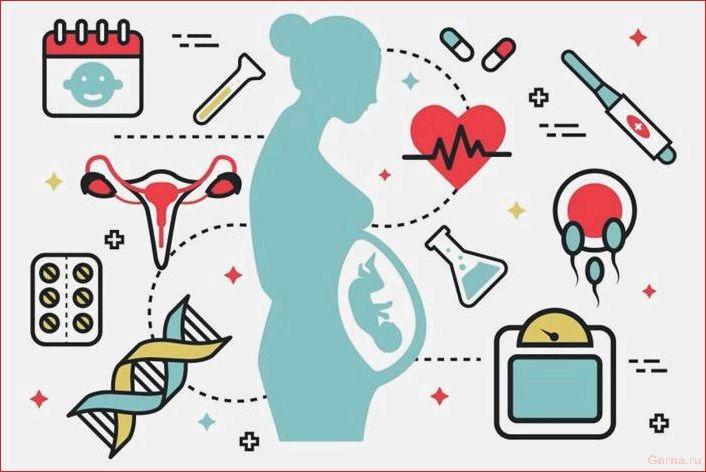
Are you ready to conceive? Just now. And waiting is the last thing you want to do. Mother Nature has a hand in timing, but there are a few things you can do to help you get pregnant as soon as possible.
Contents of the article:
About 84% of straight-sex couples become parents within one year, and 98% within two years (however, for 35-39 year olds this figure can drop to 90%).
So, to make the most of the opportunities you”ve just been presented with, read about ways to boost your fertility and make simple changes to your routine.
Factors that influence conception
The potency of some concepts may be difficult or delayed for a number of reasons, such as male or female infertility. Here are some of them.
- Increasing age (over 30 years) as the birth rate decreases;
- Ectopic pregnancy;
- Endometriosis;
- Polycystic ovary syndrome (PCOS);
- History of STDs (venereal diseases);
- Incorrectly calculated fertile period;
- Blockage of the fallopian tube;
- Irregular menstrual cycle;
- Thyroid imbalance;
- Premature ovarian failure;
- Decreased ovarian reserve (DOR).
- Low sperm count;
- Undescended testicles;
- Erectile dysfunction;
- Premature ejaculation;
- Diabetes.
If the underlying medical condition is not a serious obstacle, you can try to improve your chances of fertilization.
20 tips to improve your chances of getting pregnant
- Stop taking pills.
Stop taking birth control as soon as you decide to become pregnant. A common belief is to stop taking oral contraceptives at least a month, preferably four months, before trying to conceive.

- Track your ovulation.
Contrary to popular belief that women have a 28-day cycle, some are shorter (25 days) and others are longer (35 days). Fertility begins on the first day of menstruation, but ovulation does not necessarily occur mid-cycle.
In a 28-day cycle, ovulation occurs on day 14, while in a 25-day cycle, ovulation occurs around day 11. And with a 35-day cycle, this happens after about 21 days. A special calculator has been created for women with irregular cycles.
- Measure your basal temperature.
A basal thermometer is one of the convenient ways to track your most fertile days. Basal thermometry is a measurement of your normal temperature upon waking, which increases as a result of hormonal changes during ovulation.

- Buy a special test.
Ovulation tests correct for fluctuations in hormone levels. This suggests that today is a good time to conceive. This is a great screening tool to make sure you are ovulating every month. This test can also identify potential problems.

- Fight stress.
Stress can reduce libido and make it difficult to conceive. When a person experiences stress, their body produces a hormone called prolactin, the same hormone produced in breastfeeding women to suppress ovulation, making it difficult to conceive. A healthy mind leads to a healthy body, so try to avoid stressful situations whenever possible.
If you take medications (whether prescription or not), talk to your doctor about how they may affect your fertility and fetus if you become pregnant.
Read also: How does sperm affect pregnancy? Facts you need to know
The age of the pistil and stamen should be about five years. But adults know that they need sperm to conceive a child. And quite a few adults.
- Forget douching.
Avoid scented tampons and vaginal sprays as they can cause pH imbalance in the vagina. Artificial lubricants and oils for stimulation and douching should also be avoided, as they affect the acidity of the vagina and cause inflammatory diseases of the pelvic organs. They can also affect the cervical mucus, which transports sperm.
- Stay in bed after sex.
Instead of rushing to the shower after sex, take the time to relax your body for a minute while the sperm is still inside you. Some consider this a folk legend, while other women believe that lying down for a few minutes and raising your legs in the air is the best way to help the sperm find its way to the egg by performing a sacred ritual.
- Forget about alcohol!
It has long been proven that drinking alcoholic beverages reduces fertility by about 18%. Experts strongly recommend that women abstain during their fertile period until pregnancy has been ruled out. This is because the fetus may be particularly vulnerable to alcohol in the first few weeks after conception.
- Go through a full medical check.
It”s a good idea to schedule you and your partner to be tested by a doctor before trying to have a baby. It is important to get tested for all sexually transmitted diseases, which often have no symptoms, as well as other potential problems.
Doctors never tire of reminding patients about the impact their weight has on their chances of becoming a mother. Deviations from a healthy BMI cause hormonal imbalances, which disrupt the female cycle and interfere with the normal development of eggs and embryos.
Losing just 6-7 kilograms to achieve a healthy BMI can more than double your chances of conceiving, which is very important.
☝ what increases the chances of a successful pregnancy?
- Eat right.
It is important to eat a healthy diet that includes all food groups (carbohydrates, proteins and fats) and contains the required amount of nutrients. Your diet should also include low GI (glycemic index) carbohydrates such as scallops, lentils and beans.
However, don”t forget about high GI carbohydrates such as sugary and processed foods. Give preference to unsaturated fats and foods that are sources of omega-3 fatty acids (found in fish and flax seeds).
- Play sports.
Regular exercise that maintains a healthy lifestyle and diet is important not only for overall well-being, but also for increasing your fertility potential. Exercise helps increase endorphins, reduce stress, reduce excess weight, improve heart function and lower cholesterol.
- Increase your vitamin B12 intake.
Almost 50% of women are deficient in vitamin B12, which is essential for cell reproduction and, for men, for healthy sperm counts. Vitamin B12 is a nutrient that helps maintain healthy nerves and blood cells in the body and produces genetic material in all cells.
Gynecologists have linked vitamin B12 deficiency to suboptimal fertility. This can lead to changes in ovulation, egg production or changes, transplantation defects, and even miscarriages.
Drinking regularly is beneficial for everyone, but especially for those who are trying to conceive. Try to drink eight glasses of filtered water, herbal or fruit teas per day. Water helps cleanse the body of harmful toxins.
- Eat a spoonful of honey at night.
The term “honeymoon” is believed to originate from a centuries-old tradition among newlyweds, as honey has been considered a natural fertility stimulant for generations. Childbirth.
Honey is believed to improve egg quality and overall fertility due to its rich content of vitamin B, iron, calcium, and amino acids.
Vitamin D from the sun increases levels of female sex hormones, helps regulate the menstrual cycle, and increases the likelihood of conception. In men, sunbathing increases sperm count, libido, and testosterone levels.
- Reduce caffeine intake.
Limit your caffeine intake and remember that caffeine is found not only in coffee but also in tea, soda, energy drinks, chocolate, and over-the-counter medications.
- Enjoy sex.
Eggs live only 24 hours after ovulation, while sperm live 48-72 hours. Regular sex ensures that the egg and sperm have a chance to meet each month. It”s important to note that if a man abstains from sex for more than three days, the quality of his sperm deteriorates.
During sleep, the body regenerates and heals. Getting enough sleep is essential to increasing your chances of conception. Put away your gadgets and turn off the TV two hours before bed.


